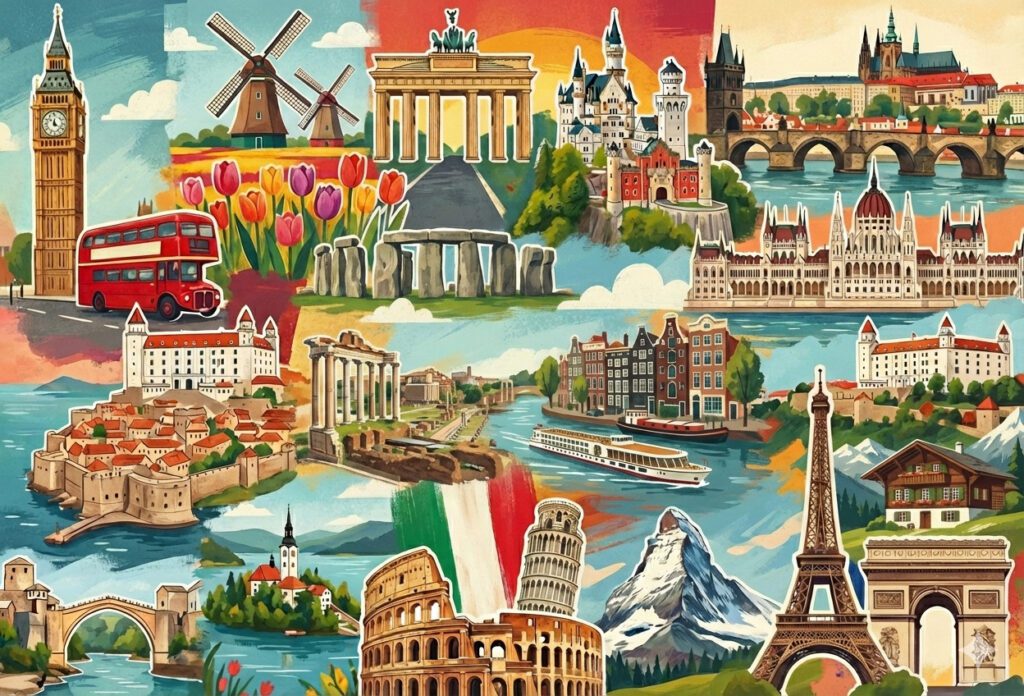
Europe is known for its remarkable blend of cultures, landscapes, traditions, and centuries-old history. It truly offers something for every type of traveler. From romantic canals and medieval towns to buzzing capitals and scenic alpine villages, every stop brings a new story to life. Although it is the second-smallest continent in the world, Europe is packed with diversity and unforgettable experiences. This 3 weeks Europe itinerary spans a course of 20 days across England, the Netherlands, Germany, Czechia, Hungary, Slovakia, Croatia, Bosnia, Slovenia, Italy, Switzerland, and France. This route combines iconic landmarks with hidden gems, allowing you to experience Europe in a balanced and immersive way.
Summary of 3 Weeks Europe itinerary
| Day | Route / City | Must Eat / Try | Signature Experiences |
| 1 | London → Amsterdam | Stroopwafels, Dutch fries | Canals walk, café hopping |
| 2 | Amsterdam | Pancakes, herring sandwich | Museums, canal cruise |
| 3 | Amsterdam → Berlin | Currywurst, döner kebab | Berlin Wall, nightlife |
| 4 | Berlin | Schnitzel, craft beer | Street art, local markets |
| 5 | Berlin → Prague | Goulash, trdelník | Charles Bridge, Old Town |
| 6 | Prague | Czech pastries, beer | Castle views, riverside cafés |
| 7 | Prague → Budapest | Langos, chimney cake | Danube sunset, ruin bars |
| 8 | Budapest | Goulash soup, lángos | Thermal baths, river cruise |
| 9 | Budapest → Sarajevo | Ćevapi, Bosnian coffee | Old Bazaar walk |
| 10 | Sarajevo | Burek, baklava | War Tunnel, walking tour |
| 11 | Sarajevo → Dubrovnik (via Mostar) | Peka, seafood | Stari Most, Adriatic views |
| 12 | Dubrovnik | Grilled fish, gelato | City walls, beach time |
| 13 | Dubrovnik → Split | Dalmatian risotto, wine | Diocletian’s Palace |
| 14 | Split → Ljubljana | Orange wine, local cheese | River cafés, castle |
| 15 | Ljubljana → Venice | Cicchetti, seafood pasta | Gondola ride, St. Mark’s |
| 16 | Venice → Lucerne | Swiss chocolate, fondue | Lake walk, alpine views |
| 17 | Lucerne | Rösti, hot chocolate | Mount Pilatus, lake cruise |
| 18 | Lucerne → Paris | Croissants, escargots | Seine walk, skyline views |
| 19 | Paris | Macarons, steak-frites | Museums, Moulin Rouge |
| 20 | Paris → London | Fish & chips, tea | Channel crossing, farewell |
Week 1
The first week of your trip is all about excitement, discovery, and finding your rhythm as a traveler. You’ll explore some of Europe’s most famous cities while building connections with your fellow travelers.
Day 1 – London to Amsterdam
The journey starts in London, one of Europe’s most vibrant cities. If you can spare a day or two, you can arrive early and spend some time wandering around this city on your own. Cover Big Ben, cross Tower Bridge, or simply sit in a park and watch the city move. London is the perfect place to ease yourself into European travel.
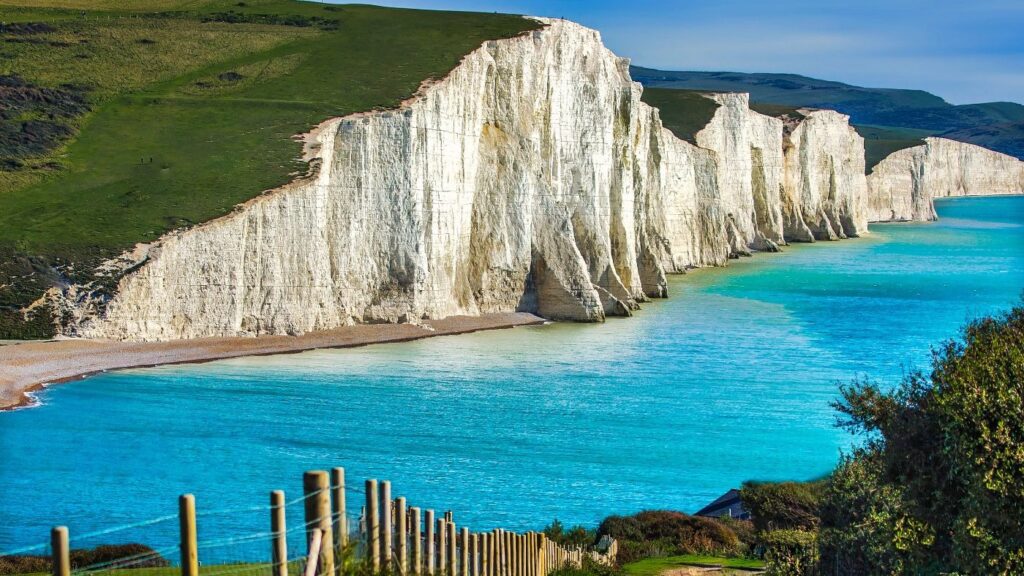
When you’re ready to move on, you head toward mainland Europe. The journey itself becomes part of the experience. As you travel through southern England, the dramatic White Cliffs of Dover come into view, rising above the sea like something out of a postcard. Crossing the English Channel feels like crossing into a completely new chapter of your trip.
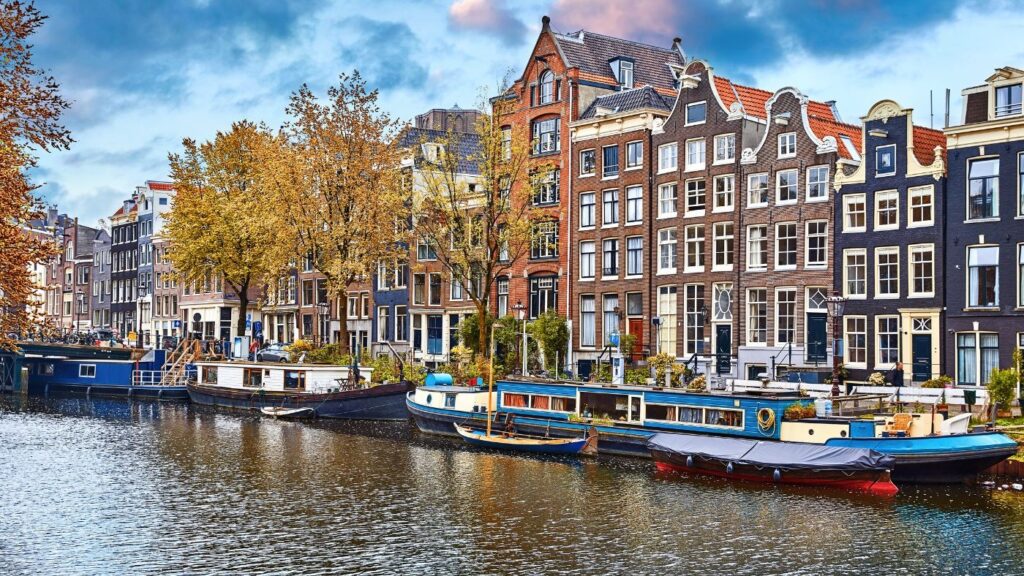
After passing through Calais in France, you continue toward Amsterdam. When you finally arrive, the atmosphere feels noticeably different, quieter, calmer, and more relaxed. Canals cut through the city, bicycles glide past you, and narrow houses lean slightly toward the water.
After checking into your accommodation, take some time to wander around your neighborhood. Get lost on purpose. Find a small café, grab a snack, and watch life unfold around you. In the evening, enjoy a simple dinner nearby and soak in the feeling that your European adventure has officially begun.
Day 2 – Amsterdam
You wake up to the sounds of bikes ringing their bells and boats moving slowly through the canals. Amsterdam has a peaceful rhythm in the morning, making it the perfect time to explore.
Start your day by visiting one of the city’s famous museums. The Van Gogh Museum offers a deep look into the artist’s life and struggles, while the Anne Frank House provides a powerful and emotional experience. Both are worth booking in advance.
After that, slow things down. Walk through Vondelpark, where locals relax, read, and picnic. Explore the Jordaan district with its small art galleries and vintage stores. Wander into random streets and see where they lead.
Amsterdam is also great for café hopping. Sit by a window with a coffee, watch cyclists pass by, and enjoy the laid-back atmosphere.
In the evening, head toward the waterfront and choose a restaurant overlooking the canals. Later, take a canal cruise to see the city lit up at night. With bridges glowing and reflections dancing on the water, Amsterdam feels completely different after dark.
Day 3 – Amsterdam to Berlin
Today, you move on from the Netherlands and head into Germany. The journey to Berlin is long but rewarding, giving you time to reflect, listen to music, and watch the scenery change outside your window.
Berlin immediately feels different from Amsterdam. It’s bigger, louder, and more raw. The city carries visible layers of history, creativity, and rebellion.
After settling in, start exploring on foot. Walk along the East Side Gallery, where colorful murals cover what remains of the Berlin Wall. Each artwork tells a story about freedom, division, and hope.
Continue toward Alexanderplatz and the Reichstag, taking time to read plaques and learn about Germany’s past. Berlin isn’t just about sightseeing. It’s about understanding what the city has been through.
As night falls, Berlin transforms. You can choose between underground clubs, rooftop bars, quiet pubs, or street food spots. Whether you party till late or just enjoy a relaxed evening, the city gives you plenty of options.
Day 4 – Berlin
With a full day in Berlin, you can explore the city in more depth. Today is about choosing what interests you most.
If you’re curious about history, visit sites related to World War II and the Cold War. Walk past former checkpoints, memorials, and museums that explain how Berlin was once divided. These places help you understand how much the city has changed.
If you’re more into modern culture, head toward neighborhoods like Kreuzberg and Friedrichshain. Here, street art covers buildings, independent cafés line the streets, and creativity feels alive everywhere.
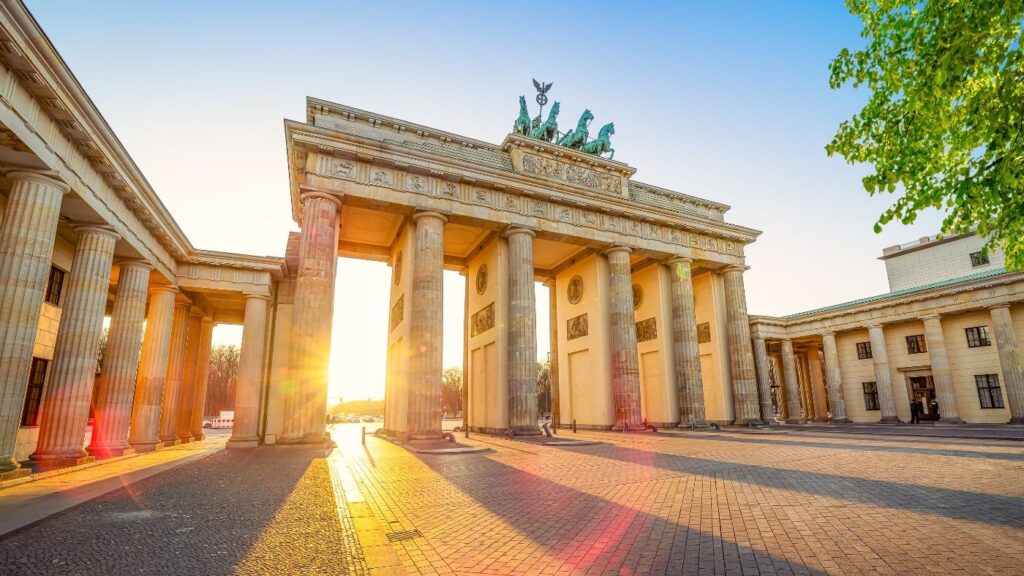
Spend the afternoon exploring flea markets, bookstores, or riverside paths. Berlin rewards slow exploration. You’ll often discover the best spots when you’re not rushing.
In the evening, try traditional German food like sausages and schnitzel, or explore Berlin’s surprisingly strong international food scene. Rest up tonight, as tomorrow brings another new country.
Day 5 – Berlin to Prague
Leaving Germany behind, you head into Czechia and arrive in Prague. The transition feels almost magical. Modern Berlin gives way to medieval streets, gothic towers, and red-tiled rooftops.
Prague looks like something straight out of a fairy tale. Start by crossing Charles Bridge, especially in the early morning or late afternoon when the light is soft. Street musicians play, artists paint portraits, and the river flows quietly below.
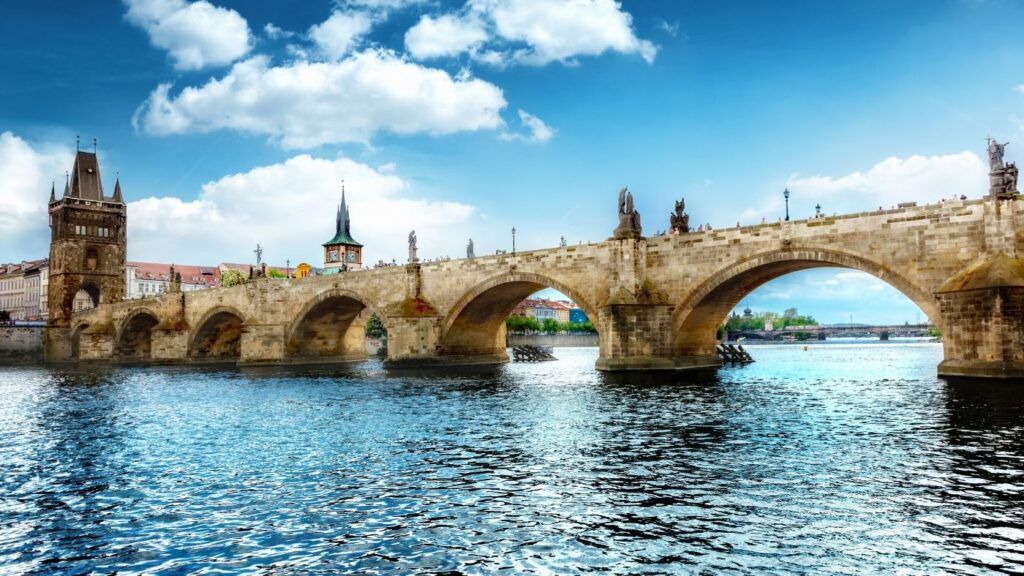
Make your way to Old Town Square and watch the Astronomical Clock strike the hour. Wander through winding alleys where every corner feels photogenic.
In the evening, look for a local restaurant serving traditional Czech food. Many places also feature live folk music. It’s a great chance to experience the city’s cultural side and interact with locals.
Day 6 – Prague
Today, you can explore Prague by renting a bike and riding along the Vltava River, stopping whenever something catches your eye. Or you could climb up to Prague Castle for sweeping views over the entire city.
Spend time in small neighborhoods away from tourist crowds. Browse local markets, bookshops, and craft stores. Sit in a café and write in your journal or sort through photos.
Food is also a highlight today. Try street snacks, pastries, and of course, trdelník, crispy on the outside and soft inside.
This slower day helps you recharge mentally and physically before another travel-heavy day.
Day 7 – Prague to Budapest
As the first week comes to an end, you travel to Budapest, one of Central Europe’s most beautiful capitals. The journey introduces you to rolling landscapes and small towns along the way.
Budapest is split by the Danube River into Buda and Pest, each with its own personality. Buda is quieter and more historic, while Pest is lively and energetic.
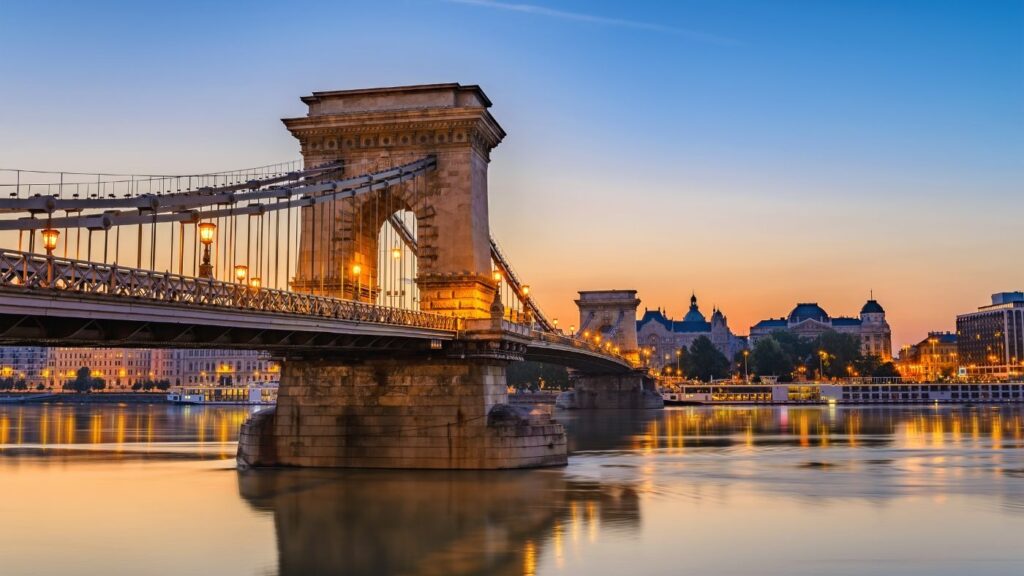
After arriving, walk along the river and admire landmarks like the Parliament Building and Chain Bridge. The city looks especially stunning at sunset.
At night, explore the famous ruin bars. These are old buildings transformed into creative social spaces filled with lights, art, and music. Each bar has its own personality, making bar-hopping an adventure in itself.
Whether you dance, chat with travelers, or just sit and observe, tonight feels like a celebration of your first week in Europe.
Week 2
By now, travel life feels natural. Packing and unpacking takes less time, navigating train stations feels easier, and you’ve learned how to read maps, signs, and schedules without stress. You’re more confident moving through new cities, trying unfamiliar food, and starting conversations with strangers.
This week takes you into the Balkans and along the Adriatic coast, where cultures, languages, and landscapes shift dramatically. You’ll experience powerful history, breathtaking coastlines, and some of the most welcoming communities in Europe.
Day 8 – Budapest
After a busy first week, today is all about slowing down and recharging. Budapest is famous for its thermal baths, and there’s no better place to relax tired muscles.
Start your morning at one of the historic bathhouses. Soak in warm mineral pools, move between indoor and outdoor baths, and let yourself fully unwind. Locals often spend hours here reading, chatting, and relaxing, so there’s no rush.
Once you’re refreshed, head out to explore the city. Walk along Andrássy Avenue toward Heroes’ Square, stopping at shops and cafés along the way. Visit the House of Terror Museum to learn about Hungary’s difficult past under Nazi and Soviet rule. It’s emotional but deeply educational.
Later, make your way to the Parliament Building, one of Europe’s most impressive government structures. Walk along the riverbank and take photos as the building reflects on the Danube.
In the evening, board a river cruise. Watching Budapest light up after sunset is unforgettable. Bridges glow, buildings shimmer, and the city feels almost magical. It’s a calm, beautiful way to end the day.
Day 9 – Budapest to Sarajevo
Today marks a major shift in your journey as you leave Central Europe and enter the Balkans. The scenery changes slowly, rolling hills, small villages, and rural landscapes appear outside your window.
After hours of travel, you arrive in Sarajevo, a city unlike any you’ve visited so far. Nestled between mountains, it feels both peaceful and intense at the same time.
Sarajevo reflects a mix of cultures shaped by Ottoman, Austro-Hungarian, and Yugoslav influences. Mosques stand beside churches, and old bazaars blend with modern streets.
Spend your first evening wandering through Baščaršija, the historic old town. Browse copper workshops, try local sweets, and drink strong Bosnian coffee in traditional cafés. The atmosphere is warm and welcoming, and you’ll quickly feel at ease.
Day 10 – Sarajevo
Today is about understanding Sarajevo’s story. The city has faced hardship, war, and rebuilding, and learning about its past helps you appreciate its resilience.
Begin with a walking tour through cobblestone streets. Visit the Latin Bridge, where World War I was sparked, and learn how global history changed here. Continue through neighborhoods marked by both restoration and scars of conflict.
Later, visit the War Tunnels, which once served as lifelines during the Siege of Sarajevo in the 1990s. Walking through them is a powerful experience that puts modern comforts into perspective.
In the afternoon, take time to explore on your own. Sit by the river, visit local bookstores, or relax in a small café.
For dinner, try traditional dishes like ćevapi, burek, or dolma. Meals in Sarajevo often feel personal, and conversations with locals give you insight into everyday life.
Today leaves you thoughtful, humbled, and more connected to the places you’re visiting.
Day 11 – Sarajevo to Dubrovnik
Leaving Bosnia behind, you travel toward the Adriatic coast. Along the way, you stop in Mostar, one of the region’s most beautiful towns.
The highlight here is Stari Most, the famous stone bridge arching over turquoise water. Watch locals dive into the river, stroll through market streets, and take photos from different angles.
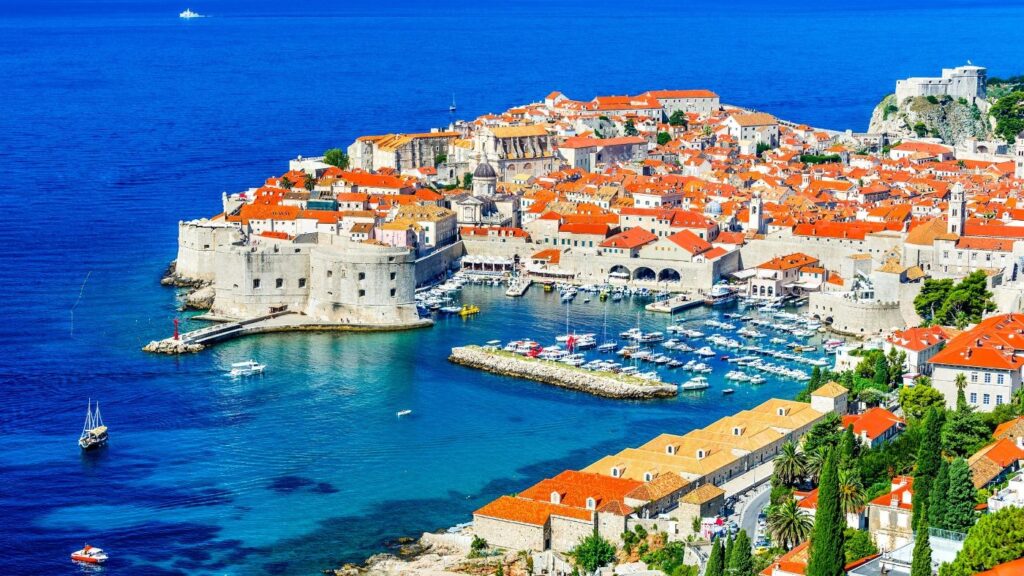
After exploring Mostar, continue toward Dubrovnik. As you approach the coast, the air becomes warmer and saltier, and the landscape opens up to endless blue water.
Dubrovnik feels cinematic the moment you see it. Medieval walls surround the old town, and the sea stretches endlessly beyond.
In the evening, fall asleep to the sound of waves and distant voices drifting through narrow streets.
Day 12 – Dubrovnik
Today, you experience why Dubrovnik is considered one of Europe’s most beautiful cities.
Start early by walking along the massive city walls. From above, you can see red rooftops, hidden courtyards, and the deep blue Adriatic. It’s one of the best viewpoints in the region.
Afterward, wander through the old town. Explore tiny alleyways, discover quiet squares, and browse souvenir shops. If you’re a Game of Thrones fan, you’ll recognize many filming locations along the way.
In the afternoon, head to one of Dubrovnik’s small beaches or rocky swimming spots. The water is incredibly clear, making it perfect for swimming and snorkeling.
As evening arrives, enjoy a relaxed dinner cruise or waterfront meal. Watching the sunset over the sea while eating fresh seafood is a highlight of the trip.
Day 13 – Dubrovnik to Split
Today, you continue north along Croatia’s stunning coastline toward Split. The journey itself is scenic, with cliffs, islands, and sparkling water accompanying you for much of the way.
Split blends ancient history with modern coastal life. At its heart is Diocletian’s Palace, a Roman complex that has evolved into a living neighborhood.
Walk through its stone corridors, where cafés, homes, and shops now sit inside ancient walls. It feels like stepping through time.
Explore local markets filled with fresh fruit, cheese, and handmade products. Talk to vendors, sample snacks, and observe daily life.
In the evening, find a beachside restaurant or bar. Many locals gather near the waterfront, making it easy to feel part of the city’s rhythm.
Day 14 – Split to Ljubljana
Leaving the coast behind, you travel inland toward Slovenia. The landscapes shift again, from beaches to forests, rivers, and mountains.
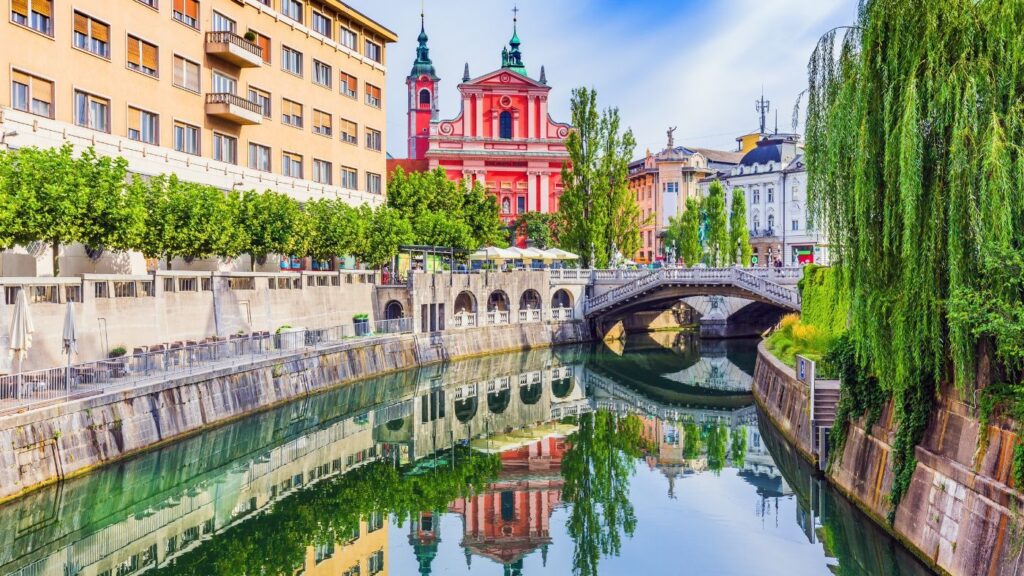
Ljubljana feels like a storybook town. Colorful buildings line the river, bridges are decorated with sculptures, and a castle watches over everything from above.
Spend your afternoon strolling along the Ljubljanica River, stopping at cafés and artisan shops. Ride the funicular up to Ljubljana Castle for panoramic views.
Try local wines, especially orange wine, which Slovenia is known for. Pair it with fresh bread and cheese at a riverside restaurant.
In the evening, attend a traditional dinner with folk music and dancing. Locals in traditional clothing perform songs passed down through generations, giving you insight into Slovenia’s cultural roots.
As you walk back through softly lit streets, you’ll realize how naturally travel has become part of your life.
Week 3
By the time Week 3 begins, you’ve truly become a seasoned traveler. Navigating train stations, reading foreign signs, and figuring out transport routes now feels natural. You’ve learned how to pack quickly, budget wisely, and adapt when plans change. More importantly, you’ve grown comfortable stepping into unfamiliar places with curiosity instead of hesitation.
This final week is about slowing down, appreciating where you are, and fully immersing yourself in some of Europe’s most iconic destinations. Every city feels special now, because you know the journey is coming to an end.
Day 15 – Ljubljana to Venice
Today, you leave Slovenia behind and cross into Italy. The landscapes gradually shift as vineyards, small villages, and coastal plains appear outside your window.
Arriving in Venice feels surreal. The absence of cars is the first thing you notice. Instead, boats glide through canals, footsteps echo on stone bridges, and water reflects light in every direction.
After checking in, start exploring on foot. Wander through narrow alleyways where laundry hangs between buildings and locals chat from their windows. Get lost intentionally, Venice is best discovered without a map.
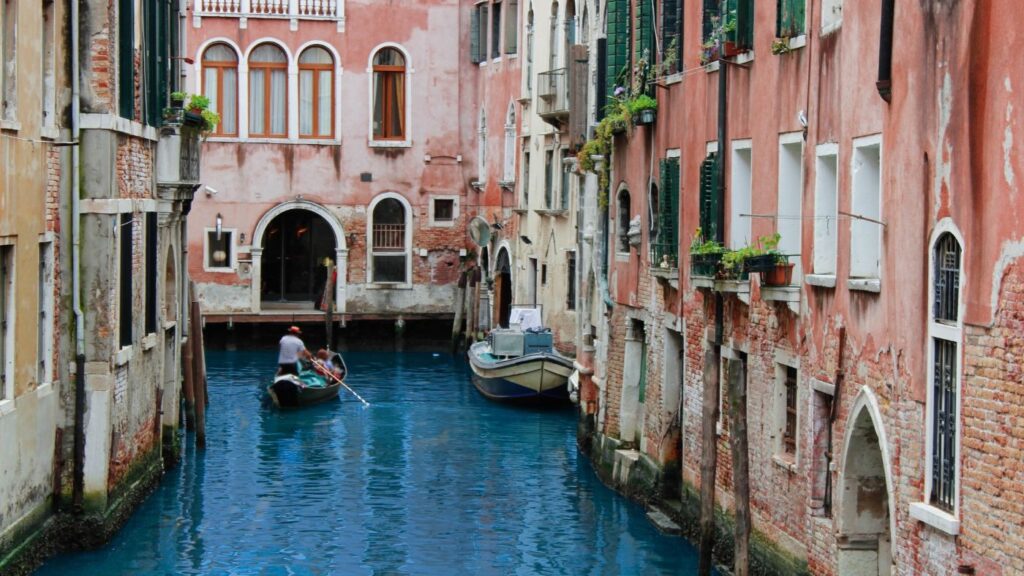
Make your way toward St. Mark’s Square and admire the basilica, clock tower, and waterfront views. Sit near the lagoon and watch gondolas and vaporetto boats pass by.
In the evening, try cicchetti, Venice’s version of tapas. Visit small wine bars and sample local bites with a glass of prosecco. Later, take a scenic boat ride and watch the city glow under soft lights. Venice at night feels quiet, mysterious, and deeply romantic.
Day 16 – Venice to Lucerne
Leaving Venice is bittersweet, but today brings you into the heart of the Alps. As you travel north, flat plains turn into rolling hills, then towering mountains.
Crossing into Switzerland feels like entering a postcard. Snow-capped peaks, green valleys, and crystal-clear lakes dominate the landscape.
Lucerne welcomes you with calm energy. The town is compact, clean, and surrounded by natural beauty. Wooden bridges stretch across the Reuss River, and colorful buildings line the streets.
Spend your first afternoon strolling along the waterfront promenade. Sit on a bench and simply admire the mountains reflecting on Lake Lucerne.
Stop by a chocolate shop and sample Swiss treats. You’ve earned it after weeks of travel. In the evening, enjoy a quiet dinner and appreciate the peaceful atmosphere after busy cities.
Day 17 – Lucerne
Today is all about nature and fresh air.
Start by visiting Chapel Bridge, Europe’s oldest covered wooden bridge, decorated with historic paintings. Nearby, find the Lion Monument carved into rock, honoring Swiss guards who died during the French Revolution. It’s surprisingly emotional and peaceful.
After exploring the town, choose how adventurous you want your day to be.
You might take a cable car up Mount Pilatus, where panoramic views stretch across lakes and mountain ranges. Walk along marked trails, breathe in crisp alpine air, and take photos that barely seem real.
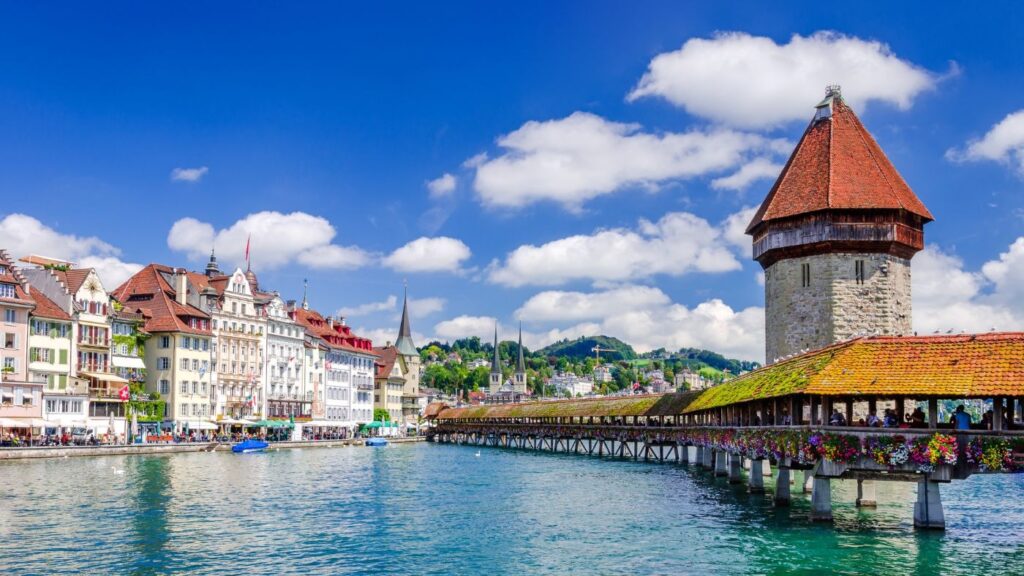
If you prefer something calmer, take a cruise on Lake Lucerne. The boat glides past villages and cliffs, offering stunning scenery without effort.
In the afternoon, relax in a lakeside café or park. This is one of those places where doing “nothing” feels incredibly rewarding.
As evening approaches, reflect on how different this environment feels compared to the cities you’ve visited. It’s a refreshing change before returning to urban life.
Day 18 – Lucerne to Paris
Today, you leave the Alps behind and head to France. The journey is long, but comfortable, offering time to read, edit photos, and look back on memories from the trip.
Arriving in Paris feels like stepping into a movie scene. Wide boulevards, historic buildings, and lively cafés fill your view.
After settling in, head out for an evening walk along the Seine. Watch street musicians perform, artists paint, and couples sit along the riverbanks.
Later, visit Montparnasse Tower and go up to the observation deck. From above, you can see the Eiffel Tower, Notre-Dame, and endless rooftops glowing in the distance. It’s one of the best panoramic views in the city.
End the night with a simple meal at a nearby bistro, enjoying your first real taste of Parisian life.
Day 19 – Paris
Your final full day in Europe deserves to be special, and Paris delivers.
Start your morning at a local bakery. Order fresh croissants, pain au chocolat, and coffee, and enjoy breakfast like a local, standing at the counter or sitting outside.
Spend the morning exploring museums. You might choose the Louvre for its iconic masterpieces, the Musée d’Orsay for impressionist art, or smaller galleries depending on your interests.
Later, wander through neighborhoods like Le Marais or Montmartre. Browse bookstores, vintage shops, and street markets. Watch painters work in small squares and musicians perform on corners.
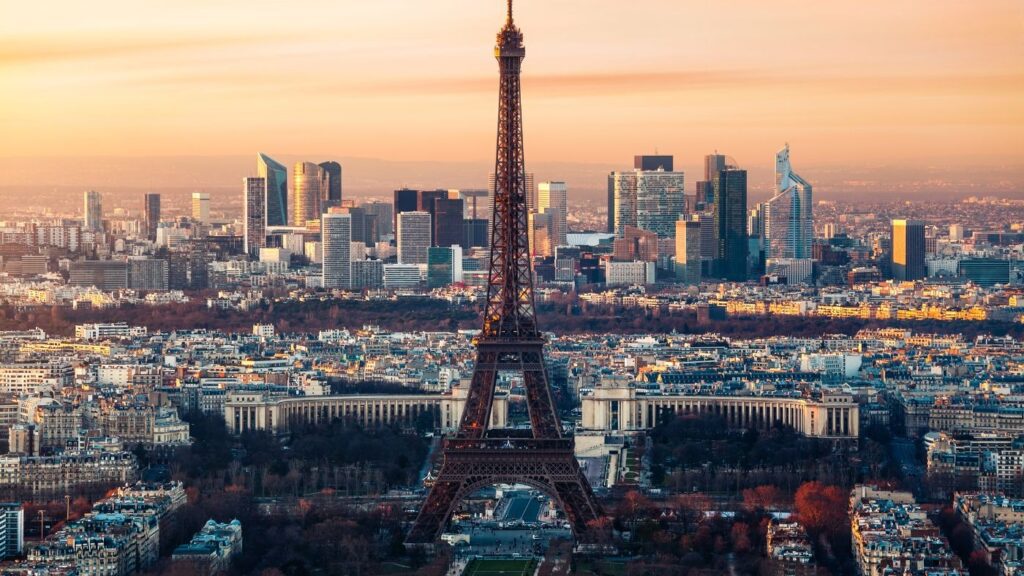
In the afternoon, visit a traditional perfumery and learn how French fragrances are made. Or simply relax in Luxembourg Gardens and watch Parisians go about their day.
As night falls, prepare for your farewell celebration. Dress up a little and head to a cabaret show near Moulin Rouge. Enjoy dinner, music, feathers, lights, and performances that capture Parisian glamour.
It’s the perfect way to close your European journey, with energy, style, and unforgettable memories.
Day 20 – Paris to London
The final day arrives quietly. After weeks of movement, discovery, and adventure, it’s time to return to where it all began.
Travel back through northern France, passing familiar landscapes. Cross the Channel once again and watch England appear on the horizon.
Arriving in London feels both comforting and emotional. You’re back where you started, but you’re not the same person who left three weeks ago.
You’ve navigated foreign cities, tried new foods, made friends, faced challenges, and collected stories that will last a lifetime.
As you unpack and rest, you’ll realize this journey isn’t really over. It has changed how you see travel and yourself. And it will almost certainly inspire your next adventure.