Global Wanderlist

European Countries to Travel with Kids

15 Best European Countries to Visit with Kids

Travelling as a family is exciting, but choosing the right destination makes all the difference between a stressful holiday and a truly magical one. When it comes to planning an international trip, many parents naturally look toward European countries to visit with kids because Europe offers the perfect mix of safety, infrastructure, culture, and fun. From fairytale castles and scenic train rides to interactive museums and world-famous theme parks, Europe is designed in a way that makes family travel surprisingly smooth. Whether you are travelling with toddlers or teenagers, these countries are sure to engage every age group while creating unforgettable family memories. 1. Switzerland The first country in our list of the best European countries to visit with kids is Switzerland. It is often considered one of the easiest European destinations to explore with children, and for good reason. The country is exceptionally safe, remarkably clean, and incredibly well connected by trains that run like clockwork. For parents, this means minimal stress when moving between cities and mountain towns. Scenic train rides, cable cars, boat cruises, and open green landscapes keep kids constantly engaged without requiring exhausting itineraries. The infrastructure is stroller-friendly, food options are familiar, and distances between major attractions are short. For families visiting Europe for the first time, Switzerland offers a perfect balance of nature, adventure, and comfort. Key Attractions to Visit with Kids: 2. Netherlands The Netherlands is compact, relaxed, and incredibly child-friendly. Cities like Amsterdam are easy to navigate, and the flat terrain makes it convenient for strollers and bicycles. The Dutch culture encourages outdoor living, so parks, cycling paths, and open public spaces are abundant. Canal cruises feel like mini adventures for children, while interactive museums make learning fun. The country’s short travel distances mean families can explore multiple towns without long travel days. For parents looking for a slow-paced yet engaging European trip, the Netherlands delivers comfort and charm in equal measure. Key Attractions to Visit with Kids: 3. Denmark Denmark is one of the most child-centric countries in Europe. Cities are designed with families in mind, and public spaces are safe and welcoming. Copenhagen in particular offers a relaxed atmosphere where kids can roam comfortably. Denmark is home to LEGOLAND, making it instantly appealing to younger travelers, but it also offers cultural attractions, waterfront promenades, and interactive museums that keep older children entertained. Short travel times and excellent public transport make planning simple. The Danish lifestyle promotes balance and calm, which naturally supports a stress-free family vacation. Key Attractions to Visit with Kids: 4. Austria Austria blends storybook towns with breathtaking Alpine landscapes, making it highly appealing for families. The cities are walkable, safe, and filled with cultural experiences that are surprisingly kid-friendly. Cable cars and funiculars allow families to enjoy mountain views without strenuous hikes. Austria also offers charming lakeside villages and engaging museums designed for younger visitors. With a mix of outdoor adventure and classical European charm, Austria provides a well-rounded itinerary that works for both energetic children and relaxed grandparents. Key Attractions to Visit with Kids: 5. France France offers incredible variety for families, from world-famous theme parks to beaches and countryside castles. While Paris is often the starting point, the country extends far beyond the capital. High-speed trains connect major regions quickly, making it easy to explore multiple destinations in one trip. Families can mix culture with entertainment, combining museum visits with outdoor parks and coastal relaxation. France also offers excellent food options and well-developed tourism infrastructure, making it comfortable for international travelers with children. Key Attractions to Visit with Kids: 6. Germany Germany is an excellent choice for families who want a mix of fairy-tale scenery, interactive attractions, and smooth logistics. The country is known for its efficient public transport, clean cities, and well-organized tourism infrastructure, which makes travelling with kids far less stressful. From castle routes that look straight out of a storybook to car museums that excite young automobile enthusiasts, Germany offers experiences that appeal to both children and adults. Large green parks, pedestrian-friendly town centers, and reliable train connections make it easy to move between cities without exhaustion. Key Attractions to Visit with Kids: 7. Italy Italy is a family favorite because it combines culture, food, and relaxed outdoor living in a way that naturally works for children. Italian cities are lively yet walkable, and the food is universally kid-approved, which removes one major travel stress. Beyond iconic landmarks, Italy offers boat rides, open piazzas where children can play, and scenic countryside escapes. The slower pace of life in smaller towns and coastal regions allows families to explore without rushing. Whether it is history in Rome or lakeside charm in the north, Italy offers a well-balanced experience for all age groups. Key Attractions to Visit with Kids: 8. Spain Spain is vibrant, welcoming, and wonderfully suited for family travel. The country’s warm climate, outdoor culture, and late-evening lifestyle create a relaxed environment where children are included rather than restricted. Spanish cities have wide promenades, sandy beaches, and lively public squares that give kids space to move freely. Theme parks, aquariums, and interactive science museums ensure there is always something engaging to do. Spain also offers a variety of landscapes, from coastal escapes to cultural capitals, allowing families to customize their trip based on interests. Key Attractions to Visit with Kids: 9. Norway Norway is perfect for families who love nature and outdoor adventure. The dramatic fjords, waterfalls, and scenic drives feel like stepping into a storybook landscape. Despite its wild beauty, Norway is extremely safe and well organized, making it surprisingly easy to explore with children. Ferries, train journeys, and short hikes allow families to enjoy the scenery without intense physical strain. Kids are often fascinated by Viking history, glacier views, and boat trips through narrow fjords. Norway is ideal for parents seeking an educational yet awe-inspiring holiday. Key Attractions to Visit with Kids: 10. Portugal Portugal offers sunshine, affordability, and compact travel distances, making it highly appealing for families. The country’s

15 Best European Countries to Visit with Kids Read More »

Best honeymoon destinations in Europe

15 Best Honeymoon Destinations in Europe

Europe has always been the setting for unforgettable love stories. Think sunset walks along cobbled streets, candlelit dinners overlooking turquoise waters, castles rising above misty hills, and vineyard-covered valleys that invite you to slow down and simply be together. With its rich history, breathtaking landscapes, and timeless charm, Europe feels naturally romantic and deeply memorable for newlyweds beginning their next chapter. In this guide, we have carefully selected the 15 best honeymoon destinations in Europe based on romance, scenery, unique couple-friendly experiences, and overall atmosphere. For each destination, you will find practical details including the best time to visit, the vibe, who it is ideal for, and the most romantic experiences to add to your itinerary. This way, you can choose a honeymoon that truly reflects your love story and travel dreams. Destination Country Ideal Trip Duration Crowd Level Budget Range Santorini Greece 3 to 4 days Very high in peak season High Amalfi Coast Italy 3 to 5 days High in summer High Venice Italy 2 to 3 days High Mid Mallorca Spain 4 to 5 days Moderate Mid French Riviera France 3 to 5 days Moderate High Paris France 3 to 4 days Very high Mid  Lake Bled Slovenia 2 to 3 days Low Mid Vienna Austria 2 to 3 days Moderate Mid Prague Czech Republic 2 to 3 days Moderate Mid Hallstatt Austria 1 to 2 days Moderate Mid Swiss Alps Switzerland 4 to 5 days Moderate High Iceland Iceland 5 to 7 days Low  Mid  Norwegian Fjords Norway 4 to 6 days Low High Scottish Highlands Scotland 3 to 5 days Low  Mid Bruges Belgium 1 to 2 days Moderate Mid 1. Santorini, Greece Few places in the world feel as effortlessly romantic as Santorini. With its iconic whitewashed houses, blue-domed churches, and dramatic caldera views, this Greek island looks like it was designed for honeymoon photographs. Sunsets here are legendary, bathing the cliffs in shades of gold and blush pink, while boutique cave hotels carved into volcanic rock create an intimate, luxurious atmosphere. Santorini blends natural beauty, privacy, and indulgence, making it one of Europe’s most sought-after honeymoon destinations. Why it’s perfect for honeymoon Romantic experiences to try Best time to visit Ideal for couples who love… 2. Amalfi Coast, Italy The Amalfi Coast is pure Italian romance. Colorful villages cling to dramatic cliffs, lemon groves perfume the air, and winding coastal roads reveal breathtaking sea views at every turn. Towns like Positano and Ravello offer boutique hotels, scenic terraces, and charming piazzas perfect for evening strolls. Days are best spent exploring hidden coves by boat or savoring fresh seafood with a glass of local wine. The Amalfi Coast combines glamour, scenery, and laid-back elegance in a way few places can match. Why it’s perfect for honeymoon Romantic experiences to try Best time to visit Ideal for couples who love… 3. Venice, Italy Venice feels like stepping into a timeless love story. With its winding canals, ornate palaces, and softly lit piazzas, the city offers an atmosphere that is both intimate and enchanting. There are no cars here, only gondolas and water taxis gliding through narrow waterways. Every corner reveals historic architecture and quiet courtyards perfect for lingering moments together. Venice is ideal for couples who want a classic European honeymoon filled with art, history, and romance. Why it’s perfect for honeymoon Romantic experiences to try Best time to visit Ideal for couples who love… 4. Mallorca, Spain Mallorca offers a beautiful balance of beach relaxation and scenic exploration. This Spanish island is known for its turquoise coves, charming mountain villages, and dramatic coastal cliffs. Couples can spend mornings swimming in secluded calas and afternoons wandering through historic towns or enjoying fresh seafood by the sea. Mallorca feels less crowded than some Mediterranean hotspots, giving honeymooners a sense of space and tranquility alongside stunning natural beauty. Why it’s perfect for honeymoon Romantic experiences to try Best time to visit Ideal for couples who love… 5. French Riviera, France The French Riviera combines Mediterranean beauty with effortless glamour. Stretching along the southern coast of France, this region is famous for its sparkling blue waters, elegant seaside towns, and refined atmosphere. From strolling along the Promenade des Anglais in Nice to admiring luxury yachts in Monaco, the Riviera offers a honeymoon filled with style and sophistication. It is a destination where beach relaxation meets upscale dining and timeless European charm. Why it’s perfect for honeymoon Romantic experiences to try Best time to visit Ideal for couples who love… 6. Paris, France Paris has earned its reputation as one of the most romantic cities in the world. With elegant boulevards, charming cafés, historic bridges, and iconic landmarks, the city offers an atmosphere that feels effortlessly intimate. Couples can spend their days exploring art museums, wandering along the Seine, or discovering hidden neighborhoods filled with character. Even simple moments like sharing pastries at a sidewalk café feel special in Paris. The blend of culture, history, and timeless beauty makes it an unforgettable honeymoon choice. Why it’s perfect for honeymoon Romantic experiences to try Best time to visit Ideal for couples who love… 7. Lake Bled, Slovenia Lake Bled looks like it belongs in a storybook. A small island church sits at the center of emerald waters, with a medieval castle perched high above the lake. The peaceful surroundings and mountain backdrop create a setting that feels intimate and serene. Couples can row to the island, walk the scenic lakeside trail, or enjoy panoramic views from Bled Castle. It is a tranquil destination that offers romance without overwhelming crowds. Why it’s perfect for honeymoon Romantic experiences to try Best time to visit Ideal for couples who love… 8. Vienna, Austria Vienna blends imperial elegance with cultural sophistication. Grand palaces, classical music, and beautifully designed cafés create an atmosphere of refined romance. Couples can explore historic sites like Schönbrunn Palace, attend a classical concert, or simply enjoy coffee and cake in a traditional Viennese café. The city feels graceful and

15 Best Honeymoon Destinations in Europe Read More »

3-Week Eurotrip Itinerary

3 Weeks Europe Itinerary: For First-Timers

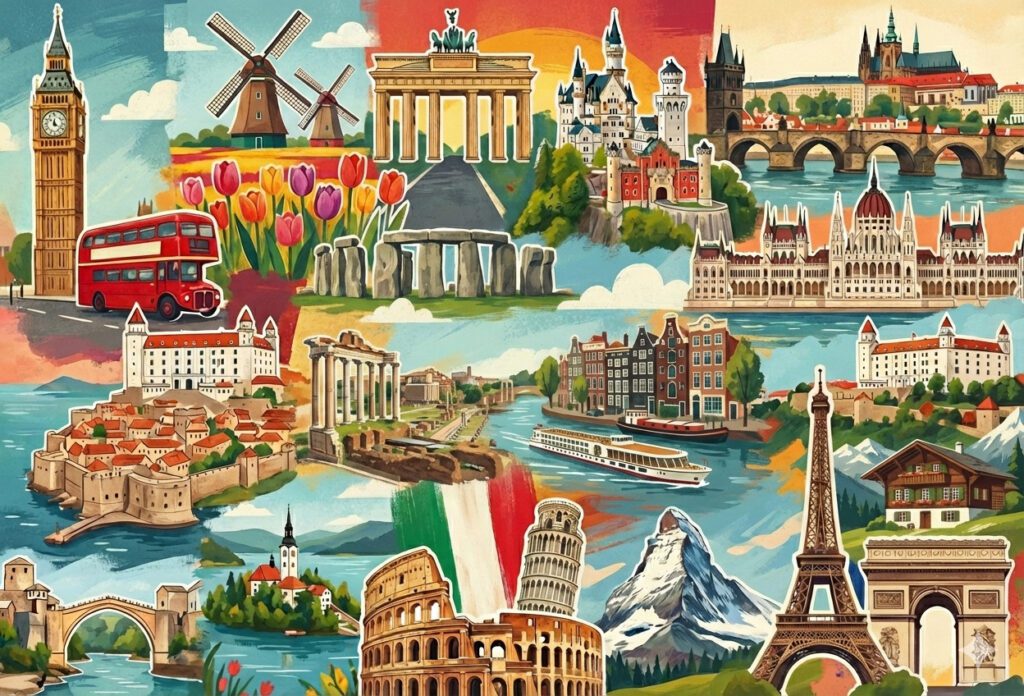
Europe is known for its remarkable blend of cultures, landscapes, traditions, and centuries-old history. It truly offers something for every type of traveler. From romantic canals and medieval towns to buzzing capitals and scenic alpine villages, every stop brings a new story to life. Although it is the second-smallest continent in the world, Europe is packed with diversity and unforgettable experiences. This 3 weeks Europe itinerary spans a course of 20 days across England, the Netherlands, Germany, Czechia, Hungary, Slovakia, Croatia, Bosnia, Slovenia, Italy, Switzerland, and France. This route combines iconic landmarks with hidden gems, allowing you to experience Europe in a balanced and immersive way.  Summary of 3 Weeks Europe itinerary  Day Route / City Must Eat / Try Signature Experiences 1 London → Amsterdam Stroopwafels, Dutch fries Canals walk, café hopping 2 Amsterdam Pancakes, herring sandwich Museums, canal cruise 3 Amsterdam → Berlin Currywurst, döner kebab Berlin Wall, nightlife 4 Berlin Schnitzel, craft beer Street art, local markets 5 Berlin → Prague Goulash, trdelník Charles Bridge, Old Town 6 Prague Czech pastries, beer Castle views, riverside cafés 7 Prague → Budapest Langos, chimney cake Danube sunset, ruin bars 8 Budapest Goulash soup, lángos Thermal baths, river cruise 9 Budapest → Sarajevo Ćevapi, Bosnian coffee Old Bazaar walk 10 Sarajevo Burek, baklava War Tunnel, walking tour 11 Sarajevo → Dubrovnik (via Mostar) Peka, seafood Stari Most, Adriatic views 12 Dubrovnik Grilled fish, gelato City walls, beach time 13 Dubrovnik → Split Dalmatian risotto, wine Diocletian’s Palace 14 Split → Ljubljana Orange wine, local cheese River cafés, castle 15 Ljubljana → Venice Cicchetti, seafood pasta Gondola ride, St. Mark’s 16 Venice → Lucerne Swiss chocolate, fondue Lake walk, alpine views 17 Lucerne Rösti, hot chocolate Mount Pilatus, lake cruise 18 Lucerne → Paris Croissants, escargots Seine walk, skyline views 19 Paris Macarons, steak-frites Museums, Moulin Rouge 20 Paris → London Fish & chips, tea Channel crossing, farewell Week 1 The first week of your trip is all about excitement, discovery, and finding your rhythm as a traveler. You’ll explore some of Europe’s most famous cities while building connections with your fellow travelers. Day 1 – London to Amsterdam The journey starts in London, one of Europe’s most vibrant cities. If you can spare a day or two, you can arrive early and spend some time wandering around this city on your own. Cover Big Ben, cross Tower Bridge, or simply sit in a park and watch the city move. London is the perfect place to ease yourself into European travel. When you’re ready to move on, you head toward mainland Europe. The journey itself becomes part of the experience. As you travel through southern England, the dramatic White Cliffs of Dover come into view, rising above the sea like something out of a postcard. Crossing the English Channel feels like crossing into a completely new chapter of your trip. After passing through Calais in France, you continue toward Amsterdam. When you finally arrive, the atmosphere feels noticeably different, quieter, calmer, and more relaxed. Canals cut through the city, bicycles glide past you, and narrow houses lean slightly toward the water. After checking into your accommodation, take some time to wander around your neighborhood. Get lost on purpose. Find a small café, grab a snack, and watch life unfold around you. In the evening, enjoy a simple dinner nearby and soak in the feeling that your European adventure has officially begun. Day 2 – Amsterdam You wake up to the sounds of bikes ringing their bells and boats moving slowly through the canals. Amsterdam has a peaceful rhythm in the morning, making it the perfect time to explore. Start your day by visiting one of the city’s famous museums. The Van Gogh Museum offers a deep look into the artist’s life and struggles, while the Anne Frank House provides a powerful and emotional experience. Both are worth booking in advance. After that, slow things down. Walk through Vondelpark, where locals relax, read, and picnic. Explore the Jordaan district with its small art galleries and vintage stores. Wander into random streets and see where they lead. Amsterdam is also great for café hopping. Sit by a window with a coffee, watch cyclists pass by, and enjoy the laid-back atmosphere. In the evening, head toward the waterfront and choose a restaurant overlooking the canals. Later, take a canal cruise to see the city lit up at night. With bridges glowing and reflections dancing on the water, Amsterdam feels completely different after dark. Day 3 – Amsterdam to Berlin Today, you move on from the Netherlands and head into Germany. The journey to Berlin is long but rewarding, giving you time to reflect, listen to music, and watch the scenery change outside your window. Berlin immediately feels different from Amsterdam. It’s bigger, louder, and more raw. The city carries visible layers of history, creativity, and rebellion. After settling in, start exploring on foot. Walk along the East Side Gallery, where colorful murals cover what remains of the Berlin Wall. Each artwork tells a story about freedom, division, and hope. Continue toward Alexanderplatz and the Reichstag, taking time to read plaques and learn about Germany’s past. Berlin isn’t just about sightseeing. It’s about understanding what the city has been through. As night falls, Berlin transforms. You can choose between underground clubs, rooftop bars, quiet pubs, or street food spots. Whether you party till late or just enjoy a relaxed evening, the city gives you plenty of options. Day 4 – Berlin With a full day in Berlin, you can explore the city in more depth. Today is about choosing what interests you most. If you’re curious about history, visit sites related to World War II and the Cold War. Walk past former checkpoints, memorials, and museums that explain how Berlin was once divided. These places help you understand how much the city has changed. If you’re more into modern culture, head toward neighborhoods like Kreuzberg and Friedrichshain. Here, street art covers buildings, independent cafés

3 Weeks Europe Itinerary: For First-Timers Read More »

must visit places in japan

10 Must-Visit Places in Japan for an Unforgettable Trip

Japan is a fascinating country where ancient traditions coexist with advanced technology and modern lifestyles. From bustling megacities and historic temples to scenic mountains and peaceful coastal towns, Japan offers a rich and diverse travel experience. Whether you are interested in culture, food, history, nature, or pop culture, these 10 must-visit places in Japan will help you explore the country at its best. 1. Tokyo – The Heart of Modern Japan Tokyo is one of the world’s most vibrant and dynamic cities, offering an unmatched blend of tradition and innovation. Skyscrapers, neon-lit streets, and high-tech shopping districts exist alongside ancient temples and peaceful gardens. Areas like Shibuya, Shinjuku, and Akihabara showcase the city’s modern side, while Asakusa and Meiji Shrine reflect its cultural roots. Tokyo is also a global food capital, known for sushi, ramen, and street snacks. With endless entertainment, shopping, and cultural attractions, Tokyo is usually the starting point for most visitors to Japan. 2. Kyoto – The Cultural Soul of Japan Kyoto is the cultural and historical heart of Japan, famous for its well-preserved temples, shrines, and traditional streets. As the former imperial capital, the city is home to iconic sites such as Kinkaku-ji, Fushimi Inari, and Gion district. Visitors can experience traditional tea ceremonies, see geishas, and explore centuries-old wooden houses. Kyoto is especially beautiful during cherry blossom season and autumn, when the city is filled with color. For travelers who want to understand Japan’s heritage, Kyoto is an essential destination. 3. Osaka – The Food and Entertainment Capital Osaka is known for its lively atmosphere, friendly locals, and incredible street food culture. Often called the kitchen of Japan, the city is famous for dishes like takoyaki, okonomiyaki, and kushikatsu. Dotonbori is the main entertainment district, filled with bright lights, restaurants, and shopping areas. Osaka Castle is another major attraction that reflects the city’s historical importance. With its energetic vibe and rich food scene, Osaka is a favorite among young travelers and food lovers. 4. Mount Fuji – The Iconic Symbol of Japan Mount Fuji is Japan’s tallest mountain and one of the country’s most recognizable landmarks. Its perfectly shaped volcanic cone has inspired artists, poets, and travelers for centuries. Many visitors come to enjoy scenic views from nearby lakes and viewpoints, while others climb the mountain during the summer season. The surrounding area offers beautiful landscapes, hot springs, and peaceful towns. Whether viewed from a distance or climbed up close, Mount Fuji represents the natural beauty and spiritual significance of Japan. 5. Hiroshima – City of Peace and Resilience Hiroshima is known worldwide for its tragic history during World War II and its inspiring message of peace. The Peace Memorial Park and Atomic Bomb Dome serve as powerful reminders of the past and promote global peace. Today, Hiroshima is a modern and lively city with shopping districts, riverside walks, and excellent food. It is also famous for Hiroshima-style okonomiyaki. The nearby Miyajima Island, with its floating torii gate, adds to the city’s appeal and makes Hiroshima a meaningful travel destination. 6. Nara – Land of Temples and Deer Nara was Japan’s first permanent capital and remains one of its most important historical cities. It is famous for Nara Park, where hundreds of friendly deer roam freely among visitors. The city is home to some of Japan’s oldest and largest temples, including Todai-ji, which houses a massive Buddha statue. Nara’s quiet streets, ancient buildings, and spiritual atmosphere make it a peaceful contrast to busy cities like Tokyo and Osaka. It is an ideal destination for travelers interested in early Japanese history. 7. Sapporo – Snow, Festivals, and Nature Sapporo is the largest city on the northern island of Hokkaido and is known for its cold winters, snow festivals, and natural surroundings. The annual Sapporo Snow Festival attracts visitors from around the world with its impressive ice sculptures. The city is also famous for its beer, miso ramen, and dairy products. In summer, Sapporo offers pleasant weather and access to nearby mountains and parks. Its relaxed atmosphere and clean environment make it a great destination for nature lovers. 8. Hakone – Hot Springs and Scenic Views Hakone is a popular resort town near Tokyo, known for its hot springs, lakes, and mountain views. It is one of the best places to see Mount Fuji on clear days. Visitors can enjoy boat rides on Lake Ashi, cable car journeys, and traditional ryokan stays with onsen baths. Hakone is especially popular among travelers looking for relaxation and natural beauty. Its convenient location makes it a perfect short escape from the busy capital. 9. Nikko – Shrines in the Mountains Nikko is a historic town located in the mountains north of Tokyo and is famous for its ornate shrines and temples. The most well-known site is Toshogu Shrine, dedicated to Tokugawa Ieyasu, the founder of the Tokugawa shogunate. Surrounded by forests, waterfalls, and lakes, Nikko offers both cultural and natural attractions. The peaceful environment and impressive architecture make it an excellent destination for travelers seeking spiritual and scenic experiences. 10. Okinawa Island – Japan’s Tropical Paradise Okinawa Island is located in southern Japan and is known for its tropical climate, beautiful beaches, and unique culture. Influenced by its history as the Ryukyu Kingdom, Okinawa has traditions, music, and cuisine that differ from mainland Japan. Visitors can enjoy snorkeling, diving, and relaxing on white-sand beaches. The island is also home to historical sites and traditional villages. With its laid-back lifestyle and natural beauty, Okinawa is perfect for travelers seeking a beach escape in Japan.

10 Must-Visit Places in Japan for an Unforgettable Trip Read More »

tamil nadu must visit places

10 Must-Visit Places in Tamil Nadu for an Unforgettable Trip

Tamil Nadu is one of India’s richest states in terms of culture, history, architecture, and natural beauty. From ancient temples and coastal towns to hill stations and spiritual centers, the state offers a wide variety of travel experiences. Whether you are interested in heritage, spirituality, nature, or city life, these 10 must-visit places in Tamil Nadu will help you explore the true essence of the region. 1. Chennai – The Cultural and Urban Hub Chennai, the capital of Tamil Nadu, is a vibrant metropolitan city that blends tradition with modern development. It is known as the cultural capital of South India, especially for its classical music, Bharatanatyam dance, and Carnatic concerts. The city is home to famous beaches like Marina Beach, historic temples, colonial-era buildings, and respected educational institutions. Chennai is also an important center for IT, healthcare, and automobile industries. With its rich heritage and dynamic lifestyle, Chennai serves as a perfect entry point into Tamil Nadu. 2. Ooty – The Queen of Hill Stations Ooty, located in the Nilgiri Hills, is one of the most popular hill stations in South India. It is known for its pleasant climate, rolling tea gardens, misty mountains, and colonial charm. The Nilgiri Mountain Railway, a UNESCO World Heritage Site, adds to its appeal. Ooty’s botanical gardens, scenic lakes, and viewpoints attract tourists throughout the year. It is especially popular among families and honeymooners looking for a peaceful retreat in the mountains. 3. Kodaikanal – The Princess of Hill Stations Kodaikanal is a charming hill station set in the Palani Hills and is known for its cool weather and lush landscapes. The town is famous for its star-shaped lake, pine forests, waterfalls, and mist-covered valleys. Kodaikanal offers several viewpoints such as Coaker’s Walk and Green Valley View, which provide breathtaking scenery. Its calm atmosphere and natural beauty make it an ideal destination for couples, solo travelers, and nature lovers. 4. Madurai – The Temple City Madurai is one of the oldest continuously inhabited cities in India and holds immense historical and religious significance. It is best known for the magnificent Meenakshi Amman Temple, a masterpiece of Dravidian architecture. The city has been a major cultural and trade center for centuries. Madurai is also famous for its traditional markets, street food, and vibrant festivals. For travelers interested in heritage and spirituality, Madurai is a must-visit destination. 5. Rameswaram – A Sacred Pilgrimage Center Rameswaram is one of the holiest towns in India and is closely associated with the Ramayana. Located on Pamban Island, it is famous for the Ramanathaswamy Temple, which has the longest temple corridors in the world. The town is also known for its sacred water tanks, where pilgrims perform rituals. Surrounded by the sea on all sides, Rameswaram offers a unique blend of spirituality and coastal beauty. It is an important destination for religious and cultural tourism. 6. Thanjavur – The Land of Cholas Thanjavur, also known as Tanjore, is a historic city that reflects the glory of the Chola dynasty. It is home to the Brihadeeswarar Temple, a UNESCO World Heritage Site and one of the finest examples of Dravidian architecture. Thanjavur is also famous for its classical music, dance traditions, and Tanjore paintings. The city’s museums, palaces, and libraries showcase its rich cultural past. It is an essential stop for history and art enthusiasts. 7. Coimbatore – The Manchester of South India Coimbatore is a major industrial and educational hub in western Tamil Nadu. Known for its textile industry, it is often called the Manchester of South India. The city is also a gateway to hill stations like Ooty and Valparai. Coimbatore is close to spiritual centers such as Isha Yoga Center and several ancient temples. With its clean environment, pleasant climate, and modern infrastructure, Coimbatore is both a business and travel destination. 8. Yercaud – The Jewel of the South Yercaud is a lesser-known hill station located in the Shevaroy Hills near Salem. It is famous for its coffee plantations, forests, and serene atmosphere. Unlike more crowded hill stations, Yercaud remains peaceful and less commercialized. The town offers beautiful viewpoints, botanical gardens, and a scenic lake. It is ideal for travelers who prefer quiet destinations away from heavy tourist crowds. 9. Kanyakumari – Where Three Seas Meet Kanyakumari is located at the southernmost tip of India and is famous for the meeting point of the Arabian Sea, Bay of Bengal, and Indian Ocean. It is known for its stunning sunrise and sunset views. The town is also home to the Vivekananda Rock Memorial and Thiruvalluvar Statue. Kanyakumari has strong spiritual and cultural significance and attracts pilgrims and tourists alike. Its unique geographical location makes it one of the most special destinations in Tamil Nadu. 10. Mahabalipuram – The Shore Temple Town Mahabalipuram, also known as Mamallapuram, is a historic coastal town famous for its rock-cut temples and monuments. It was once a major port during the Pallava dynasty. The Shore Temple, Pancha Rathas, and Arjuna’s Penance are UNESCO World Heritage Sites and showcase remarkable stone craftsmanship. Located near Chennai, Mahabalipuram is a popular weekend destination for history lovers and beach enthusiasts. Its blend of heritage and seaside charm makes it a unique place to visit.

10 Must-Visit Places in Tamil Nadu for an Unforgettable Trip Read More »

Vietnam must visit places

10 Must-Visit Places in Vietnam for an Unforgettable Trip

Vietnam is a country of breathtaking landscapes, rich history, vibrant cities, and diverse cultures. From misty mountains and emerald-green bays to ancient towns and tropical islands, Vietnam offers a perfect mix of natural beauty and cultural depth. Whether you are a first-time visitor or a returning traveler, these 10 must-visit places in Vietnam will help you experience the country at its best. 1. Hanoi – The Cultural Heart of Vietnam Hanoi, the capital of Vietnam, is a city where tradition and modern life blend seamlessly. With its centuries-old temples, colonial architecture, and lively street markets, Hanoi reflects the soul of the country. The Old Quarter is especially famous for its narrow streets, local shops, and street food stalls serving authentic Vietnamese dishes. Hoan Kiem Lake acts as a peaceful center where locals gather in the mornings and evenings. Hanoi is also known for its museums, historical monuments, and traditional water puppet shows. For travelers who want to understand Vietnam’s culture and history, Hanoi is the perfect starting point. 2. Ho Chi Minh City – The Economic and Modern Hub Ho Chi Minh City, formerly known as Saigon, is Vietnam’s largest and most dynamic city. It is known for its fast-paced lifestyle, modern skyscrapers, and energetic nightlife. At the same time, the city preserves its history through landmarks such as the War Remnants Museum, Notre-Dame Cathedral, and the Central Post Office. Bustling markets, rooftop cafés, and street food corners add to its charm. Ho Chi Minh City is also a gateway to southern Vietnam and the Mekong Delta. Its blend of history, commerce, and entertainment makes it a must-visit destination. 3. Ha Long Bay – Natural Wonder of Limestone Islands Ha Long Bay is one of Vietnam’s most famous natural attractions and a UNESCO World Heritage Site. It is known for its thousands of limestone islands rising from emerald-green waters. Visitors can explore the bay through cruises that pass hidden caves, floating villages, and secluded beaches. Activities such as kayaking, swimming, and overnight boat stays allow travelers to experience the beauty of the bay up close. The peaceful environment and dramatic scenery make Ha Long Bay one of the most photographed places in Vietnam. 4. Hoi An – The Lantern-Lit Heritage Town Hoi An is a beautifully preserved ancient town located in central Vietnam. It is famous for its yellow buildings, wooden houses, colorful lanterns, and riverside cafés. Once an important trading port, Hoi An reflects influences from Chinese, Japanese, and European cultures. The town is especially magical in the evening when lanterns light up the streets. Hoi An is also known for tailor-made clothing, handicrafts, and traditional cooking classes. Its relaxed atmosphere and historical charm make it a favorite among travelers. 5. Da Nang – Beaches and Modern Development Da Nang is a rapidly developing coastal city known for its clean beaches, modern infrastructure, and scenic surroundings. My Khe Beach is one of the most popular beaches in Vietnam, offering soft sand and clear water. The city is also close to natural attractions such as Marble Mountains and Son Tra Peninsula. One of its most famous landmarks is the Golden Bridge, held by giant stone hands. With its balance of urban comfort and natural beauty, Da Nang is an excellent base for exploring central Vietnam. 6. Hue – The Imperial City Hue was once the capital of Vietnam and remains one of its most historically significant cities. It is best known for the Imperial Citadel, a massive complex of palaces, temples, and gates that reflect the country’s royal past. The city is located along the Perfume River, adding to its peaceful atmosphere. Hue is also famous for its royal tombs and traditional cuisine, which was once served to emperors. For history lovers and cultural travelers, Hue offers deep insight into Vietnam’s heritage. 7. Sapa – Terraced Rice Fields and Tribal Culture Sapa is a mountain town in northern Vietnam, close to the Chinese border, known for its stunning rice terraces and cool climate. Surrounded by misty mountains, Sapa offers spectacular views throughout the year. The region is home to several ethnic minority communities, and visitors can learn about their traditional lifestyles through village treks. Hiking, photography, and cultural interactions are major highlights here. Sapa is ideal for travelers who enjoy nature, adventure, and authentic local experiences. 8. Ninh Binh – The Inland Ha Long Bay Ninh Binh is often called the “Ha Long Bay on land” because of its dramatic limestone cliffs, rivers, and rice fields. Boat rides through Trang An and Tam Coc take visitors through caves and scenic valleys. The area is also home to ancient temples and pagodas, including Bai Dinh Pagoda, one of the largest in Southeast Asia. Ninh Binh offers a peaceful countryside experience and is perfect for travelers who prefer nature and slow travel. 9. Phu Quoc – Tropical Island Escape Phu Quoc is Vietnam’s largest island and a popular beach destination in the south. It is known for its white-sand beaches, clear waters, and luxury resorts. Apart from relaxing on the beach, visitors can explore fishing villages, night markets, and pepper farms. The island is also famous for snorkeling and scuba diving. With its laid-back atmosphere and tropical beauty, Phu Quoc is perfect for honeymooners and leisure travelers. 10. Mekong Delta – Life Along the Waterways The Mekong Delta is a vast network of rivers, canals, and fertile lands in southern Vietnam. It is known as the country’s “rice bowl” and plays a major role in agriculture. Visitors can explore floating markets, traditional villages, and fruit orchards by boat. The delta offers a glimpse into rural Vietnamese life, where water plays a central role in daily activities. Its natural beauty and cultural richness make it a unique destination.

10 Must-Visit Places in Vietnam for an Unforgettable Trip Read More »

10 Must-Visit Places in Kerala for an Unforgettable Trip

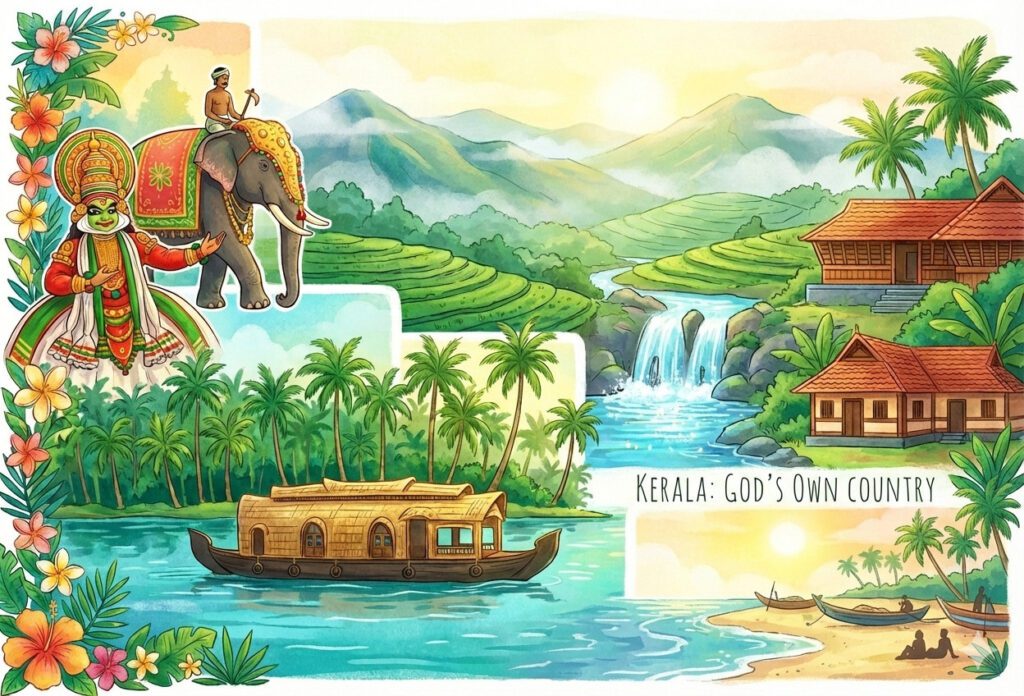
Kerala, known as God’s Own Country, is one of India’s most diverse travel destinations. From misty hill stations and peaceful backwaters to golden beaches and rich cultural hubs, the state offers something for every kind of traveler. If you are planning a trip, these 10 must-visit places in Kerala will help you experience its true beauty and charm. 1. Kochi – The Cultural Gateway Kochi, also known as Cochin, is often the first stop for travelers visiting Kerala. It is a vibrant port city that reflects a blend of Portuguese, Dutch, British, and traditional Kerala influences. The streets of Fort Kochi are lined with colonial buildings, art cafés, and heritage homes, making it a favorite among culture lovers. Kochi is famous for its Chinese fishing nets, spice markets, historic churches, and museums that tell stories of its trading past. The city also hosts the popular Kochi-Muziris Biennale, attracting artists from around the world. With its mix of old-world charm and modern lifestyle, Kochi gives visitors a perfect introduction to Kerala. 2. Munnar – Land of Tea Gardens Munnar is Kerala’s most famous hill station and is known for its endless stretches of green tea plantations, mist-covered mountains, and cool climate. Located in the Western Ghats, Munnar offers breathtaking views, fresh air, and a peaceful atmosphere. It is especially popular among honeymooners and nature lovers. The region is also home to Eravikulam National Park, where you can spot the rare Nilgiri Tahr. Waterfalls, viewpoints, and winding roads make the journey to Munnar as beautiful as the destination itself. Its calm surroundings and scenic beauty make it one of the most loved places in Kerala. 3. Alappuzha – The Backwater Capital Alappuzha, popularly known as Alleppey, is famous for its serene backwaters and traditional houseboat cruises. The network of canals, lagoons, and lakes offers visitors a chance to experience village life at a slow and relaxing pace. Staying overnight on a houseboat is one of the most unique experiences in Kerala, where you can watch coconut trees, paddy fields, and local homes pass by. Alappuzha is also known for its annual Nehru Trophy Boat Race, which showcases Kerala’s rich boating culture. For travelers seeking peace and natural beauty, Alappuzha is a must-visit destination. 4. Wayanad – Nature and Adventure Hub Wayanad is a lush green district located in the northern part of Kerala, surrounded by forests, hills, and wildlife. It is well known for its waterfalls, caves, trekking trails, and coffee plantations. The famous Edakkal Caves here contain ancient carvings that date back thousands of years, making them historically significant. Wayanad is also home to several wildlife sanctuaries where you can spot elephants, deer, and various bird species. With its cool climate and untouched beauty, Wayanad is ideal for travelers who enjoy adventure, trekking, and eco-tourism. 5. Thekkady – Wildlife and Spice Trails Thekkady is best known for the Periyar Wildlife Sanctuary, one of India’s most popular wildlife reserves. The sanctuary is built around the scenic Periyar Lake, where visitors can enjoy boat safaris and observe animals like elephants, deer, and birds in their natural habitat. Apart from wildlife, Thekkady is also famous for its spice plantations, producing cardamom, pepper, cinnamon, and cloves. Guided tours through these plantations give visitors insight into Kerala’s spice trade. With its mix of forests, wildlife, and aromatic gardens, Thekkady offers a refreshing escape into nature. 6. Varkala – The Cliff Beach Destination Varkala is one of the few places in India where cliffs rise directly next to the sea, making it a unique beach destination. The Varkala Cliff is lined with cafés, shops, yoga centers, and guesthouses, offering stunning views of the Arabian Sea. Papanasam Beach, located below the cliff, is believed to have spiritual significance, where people perform rituals. Varkala is known for its relaxed atmosphere, beautiful sunsets, and wellness retreats. It is especially popular among backpackers, solo travelers, and those seeking a calm beach experience. 7. Kovalam – Kerala’s Classic Beach Resort Kovalam is one of Kerala’s earliest and most well-known beach destinations, located near the capital city. It is famous for its crescent-shaped beaches, especially Lighthouse Beach, which offers panoramic sea views. Kovalam is also known for its Ayurveda resorts, where visitors can enjoy traditional wellness treatments. The beach town has a well-developed tourism infrastructure with resorts, restaurants, and water sports facilities. Its easy accessibility and scenic coastline make Kovalam a popular choice for families and leisure travelers. 8. Athirappilly Falls – The Niagara of Kerala Athirappilly Falls is the largest waterfall in Kerala and is often called the Niagara of India. Located on the Chalakudy River, the waterfall is surrounded by dense forests and rich wildlife. During the monsoon season, the falls are at their most powerful and visually stunning. The surrounding area is also home to several rare plant and animal species, making it an important ecological zone. Athirappilly has been featured in many Indian films, adding to its popularity. It is a must-visit spot for nature lovers and photographers. 9. Vagamon – Peaceful Hill Retreat Vagamon is a quiet and less crowded hill station known for its rolling meadows, pine forests, and misty valleys. Unlike Munnar, Vagamon remains relatively untouched by heavy tourism, making it perfect for travelers seeking solitude. The area is also popular for activities like paragliding and trekking. Its cool climate and scenic landscapes create a peaceful environment ideal for relaxation. Vagamon is especially attractive to couples and offbeat travelers who want to explore Kerala beyond the usual destinations. 10. Thiruvananthapuram – Heritage and Spiritual Center Thiruvananthapuram, the capital of Kerala, is a city rich in history, culture, and spirituality. It is home to the famous Padmanabhaswamy Temple, one of the richest temples in the world. The city also has several museums, palaces, and cultural centers that reflect Kerala’s royal heritage. With nearby beaches like Kovalam and Poovar, Thiruvananthapuram offers both cultural and natural attractions. It serves as an important administrative and educational hub while maintaining its traditional character.

10 Must-Visit Places in Kerala for an Unforgettable Trip Read More »