
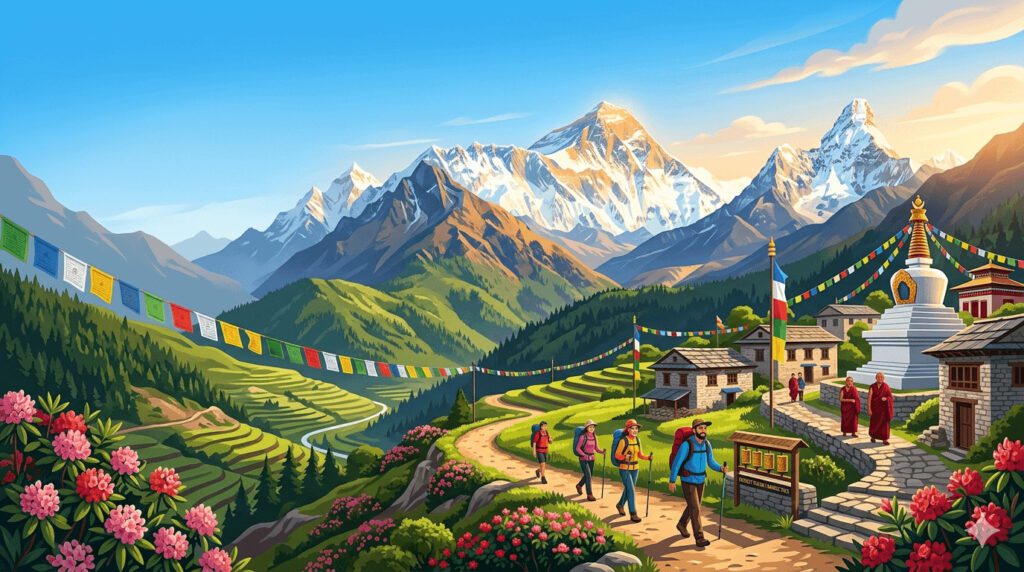
Nepal is one of those rare destinations where nature, culture, and adventure come together effortlessly. Home to eight of the world’s ten highest peaks, including Mount Everest, the country offers some of the most breathtaking mountain landscapes on Earth. Beyond its natural beauty, Nepal is deeply rooted in spirituality, with ancient temples, monasteries, and rituals that reflect a harmonious blend of Hindu and Buddhist traditions. Add to that its warm hospitality, vibrant local life, and diverse terrains ranging from jungles to alpine regions, and you have a destination that feels both enriching and exciting.
Planning a trip to Nepal is relatively straightforward, but a little preparation can make your journey smoother and more rewarding. From choosing the right season to understanding travel logistics and budgeting, here’s everything you need to know before you go.
Best Time to Visit Nepal
Nepal has four distinct seasons, and each offers a different travel experience. Spring (March to May) is one of the best times to visit, with pleasant weather, blooming rhododendrons, and clear mountain views, making it ideal for trekking and sightseeing. Autumn (September to November) is another peak season, known for stable weather, excellent visibility, and major festivals like Dashain and Tihar.
Monsoon season (June to August) brings heavy rainfall, especially in lower regions, which can make travel challenging, but the landscapes turn lush and green. It is less crowded and suitable for those who prefer offbeat travel. Winter (December to February) is colder, especially in the mountains, but it is still a good time for city exploration and lower-altitude treks with fewer tourists.
If trekking is your priority, spring and autumn are the best months. For general sightseeing and cultural experiences, October and November are particularly ideal.
Visa and Entry Requirements for Nepal
Nepal offers a convenient visa-on-arrival facility for many nationalities, including Indian travelers who do not require a visa. If you are eligible, you can obtain a visa at Tribhuvan International Airport in Kathmandu or at designated land border crossings.
For most travelers, you will need a valid passport with at least six months of validity, a passport-sized photograph, and visa fees payable in cash. It is always a good idea to carry some USD or local currency to avoid delays. Additionally, keeping a printed copy of your hotel booking and return ticket can be helpful during entry.
How to Reach Nepal?
The easiest way to reach Nepal is by air, with Kathmandu being the main international gateway. Tribhuvan International Airport connects Nepal with major cities across Asia and the Middle East, making it accessible for most travelers.
For those traveling from India, there are also land border options such as Sunauli, Raxaul, and Panitanki. Crossing by land can be a cost-effective option and is popular among budget travelers and backpackers. However, travel time can be longer, so it is best planned in advance.
How to Get Around Nepal?
Getting around Nepal depends on your budget, time, and comfort preferences. Domestic flights are the fastest way to travel between major destinations like Kathmandu, Pokhara, and Lukla, especially if you are short on time. However, they can be relatively expensive and sometimes subject to weather delays.
Tourist buses are a popular and affordable option for routes like Kathmandu to Pokhara or Chitwan. They offer decent comfort but can take longer due to road conditions. Local buses are cheaper but often crowded and less comfortable.
Private taxis or hired vehicles provide flexibility and convenience, especially for families or small groups, though they come at a higher cost. It is important to note that travel times in Nepal can be longer than expected due to mountainous terrain and road quality.
How Much Does it Cost to Visit Nepal?
Nepal is generally an affordable destination, but your expenses will vary based on your travel style. Budget travelers can expect to spend around $20 to $30 per day, covering basic accommodation, local food, and public transport.
Mid-range travelers may spend between $40 to $80 per day, enjoying comfortable hotels, guided tours, and better transport options. Luxury travelers can expect costs starting from $100 per day and above, depending on accommodation, private transfers, and premium experiences.
Key expenses to plan for include accommodation, meals, transportation, permits for trekking or national parks, and activity costs such as guided tours or adventure sports.
How Many Days Do You Need for Nepal?
The ideal duration for a Nepal trip depends on what you want to experience. A 5-day trip is suitable for exploring Kathmandu and nearby places like Bhaktapur and Nagarkot. A 7-day trip allows you to include Pokhara along with Kathmandu, offering a mix of culture and nature.
If you have 10 days or more, you can explore multiple regions, including Chitwan National Park or even embark on a short trek. Longer stays are ideal for those who want to experience Nepal at a slower pace or take on more adventurous itineraries.
Top 10 Must Visit Places in Nepal Once
What makes Nepal truly special is how effortlessly it blends natural beauty with cultural depth. You can go from exploring bustling heritage squares to watching a peaceful Himalayan sunrise within the same trip. This diversity is exactly why choosing where to go can feel overwhelming. To make it easier, here are the top 10 must visit places in Nepal once, each offering something distinct and unforgettable.
1. Kathmandu
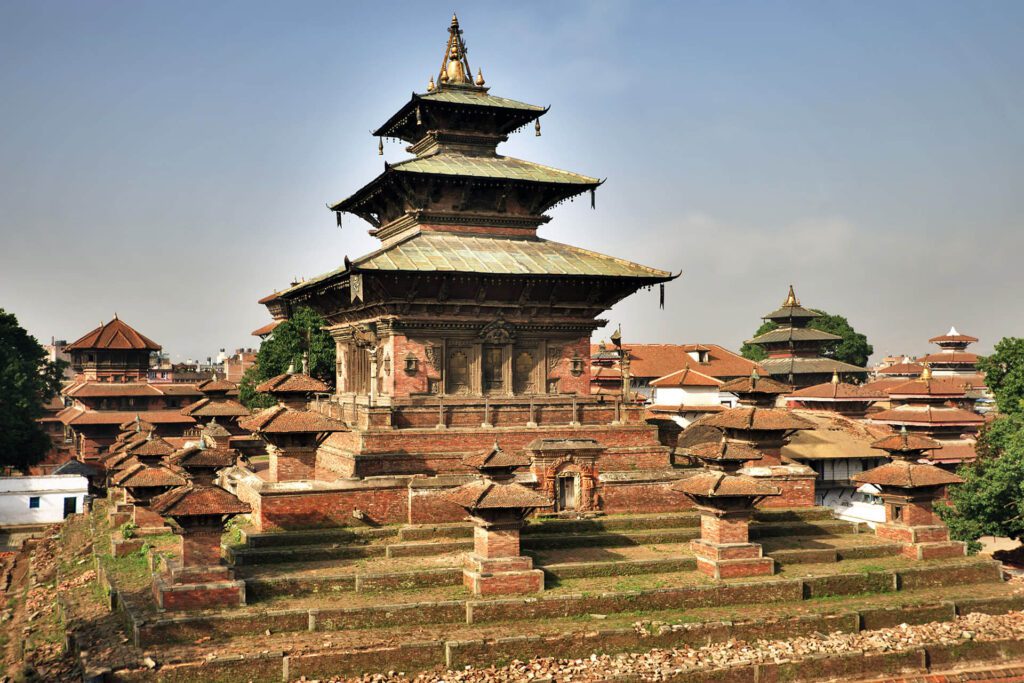
Kathmandu is the vibrant capital of Nepal and often the first stop for most travelers entering the country. The city is a fascinating mix of ancient traditions and modern chaos, where centuries-old temples stand alongside busy streets and local markets. Walking through Kathmandu feels like stepping into a living museum, with history visible in every corner. It is also the cultural and spiritual center of Nepal, deeply influenced by both Hinduism and Buddhism. Despite its hustle, the city has a unique charm that keeps visitors engaged throughout their stay.
Famous for: Ancient temples, UNESCO World Heritage Sites, and a rich cultural heritage.
Top things to do: Explore Kathmandu Durbar Square, visit Swayambhunath (Monkey Temple), attend the evening aarti at Pashupatinath Temple, and walk around Boudhanath Stupa.
Best time to visit: October to December and March to May for pleasant weather and clear skies.
2. Pokhara
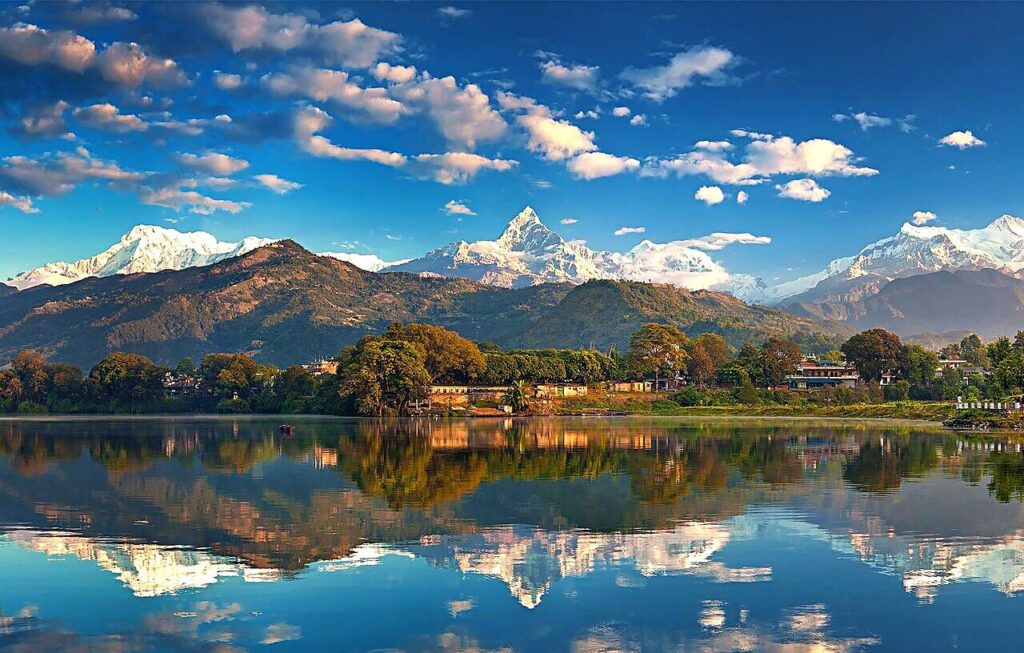
Pokhara is a peaceful lakeside city that offers a refreshing contrast to the busy streets of Kathmandu. Surrounded by the Annapurna mountain range, it is one of the most scenic destinations in Nepal. The calm atmosphere, combined with stunning natural views, makes it a favorite among travelers looking to relax. At the same time, Pokhara is also a hub for adventure activities, attracting thrill seekers from around the world. Whether you want to unwind by the lake or explore the outdoors, Pokhara provides the perfect balance.
Famous for: Phewa Lake, Annapurna mountain views, and adventure sports.
Top things to do: Go boating on Phewa Lake, watch sunrise from Sarangkot, try paragliding, and visit the World Peace Pagoda.
Best time to visit: September to November and March to April for the best views.
3. Mount Everest Region
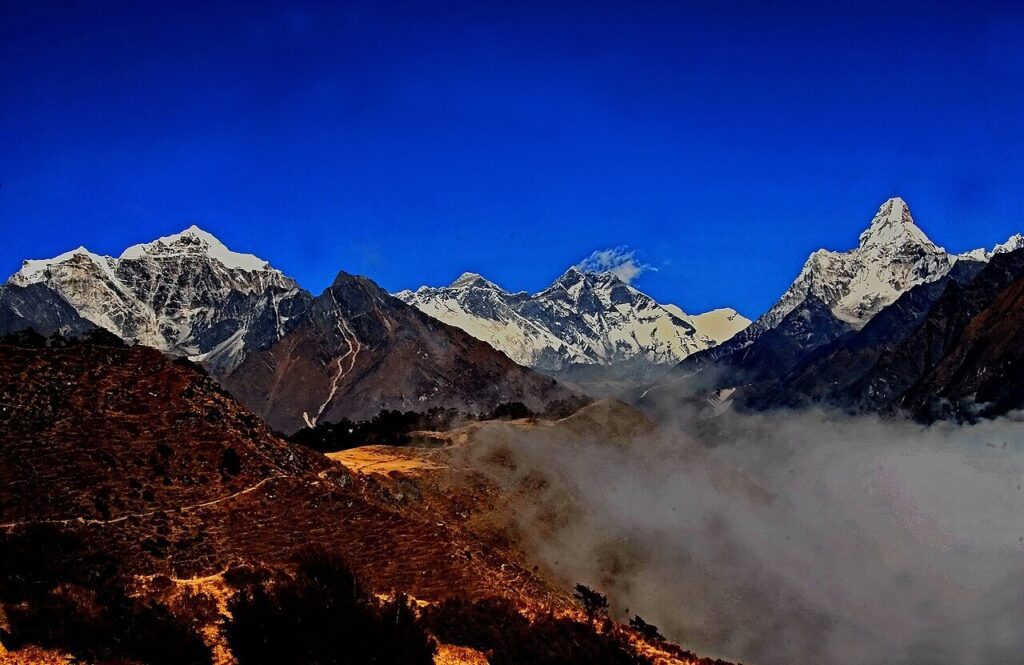
The Mount Everest region is one of the most iconic destinations in the world, drawing adventurers and nature lovers alike. Home to the highest peak on Earth, it offers breathtaking landscapes that are hard to match anywhere else. The journey through this region is as rewarding as the destination itself, with dramatic mountain views at every turn. Along the way, travelers also get to experience the unique culture and hospitality of the Sherpa community. Whether you are trekking or simply exploring, the Everest region promises a truly unforgettable experience.
Famous for: Mount Everest, high-altitude trekking routes, and Sherpa culture.
Top things to do: Trek to Everest Base Camp, visit Namche Bazaar, and enjoy panoramic Himalayan views.
Best time to visit: April to May and October to November for trekking.
4. Chitwan National Park
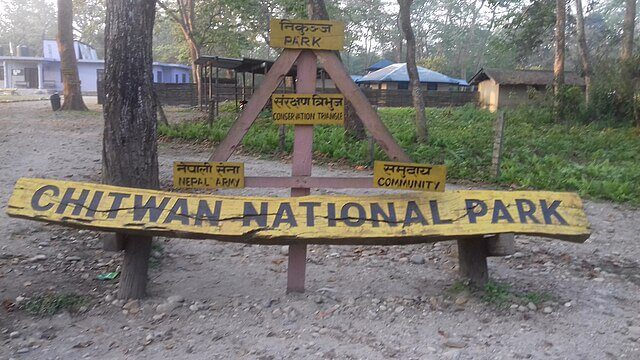
Chitwan National Park offers a completely different side of Nepal, far from the mountains and deep into lush jungle landscapes. Located in the southern plains, it is one of the best places in Asia for wildlife experiences. The park is rich in biodiversity and provides a chance to see rare animals in their natural habitat. The atmosphere here is calm yet adventurous, making it perfect for nature lovers. It is an ideal destination if you want to balance your Nepal trip with some wildlife exploration.
Famous for: One-horned rhinoceroses, Bengal tigers, and diverse wildlife.
Top things to do: Go on a jeep safari, enjoy a canoe ride on the Rapti River, take a guided jungle walk, and experience local Tharu culture.
Best time to visit: October to March for comfortable weather and better wildlife sightings.
5. Lumbini
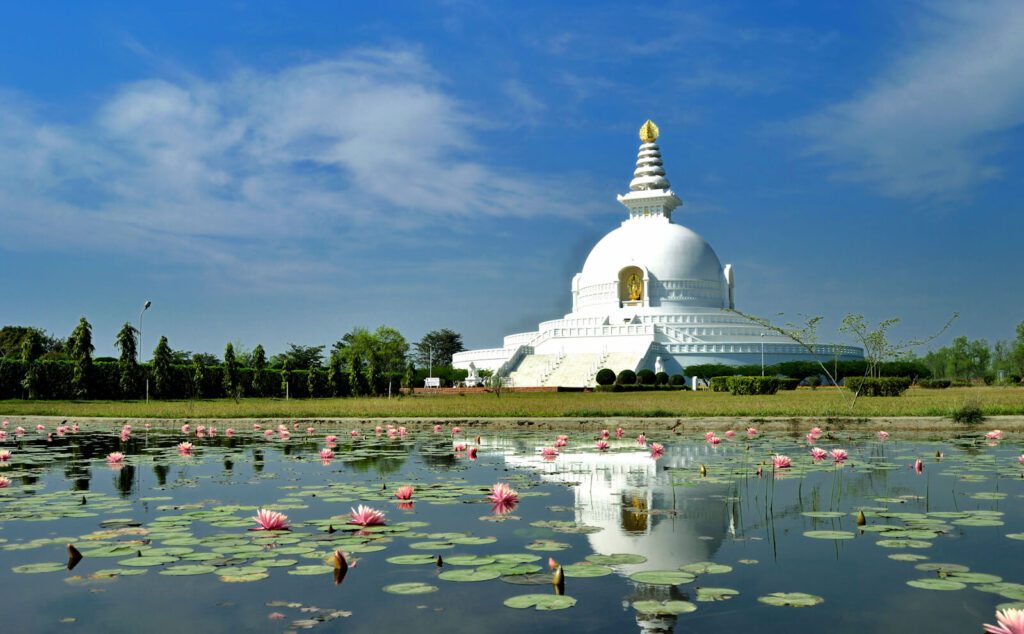
Lumbini is one of the most spiritually significant places in the world, known as the birthplace of Lord Buddha. The atmosphere here is peaceful and reflective, making it very different from Nepal’s busier tourist destinations. The entire area is designed as a sacred garden, with monasteries built by different countries showcasing diverse architectural styles. Visiting Lumbini is not just about sightseeing, but also about experiencing a sense of calm and mindfulness. It attracts pilgrims and travelers seeking a deeper, more meaningful journey.
Famous for: Being the birthplace of Buddha and its serene monastic zone.
Top things to do: Visit the Maya Devi Temple, explore the Ashoka Pillar, walk through the monastic zone, and spend time in meditation.
Best time to visit: October to March for pleasant weather.
6. Bhaktapur
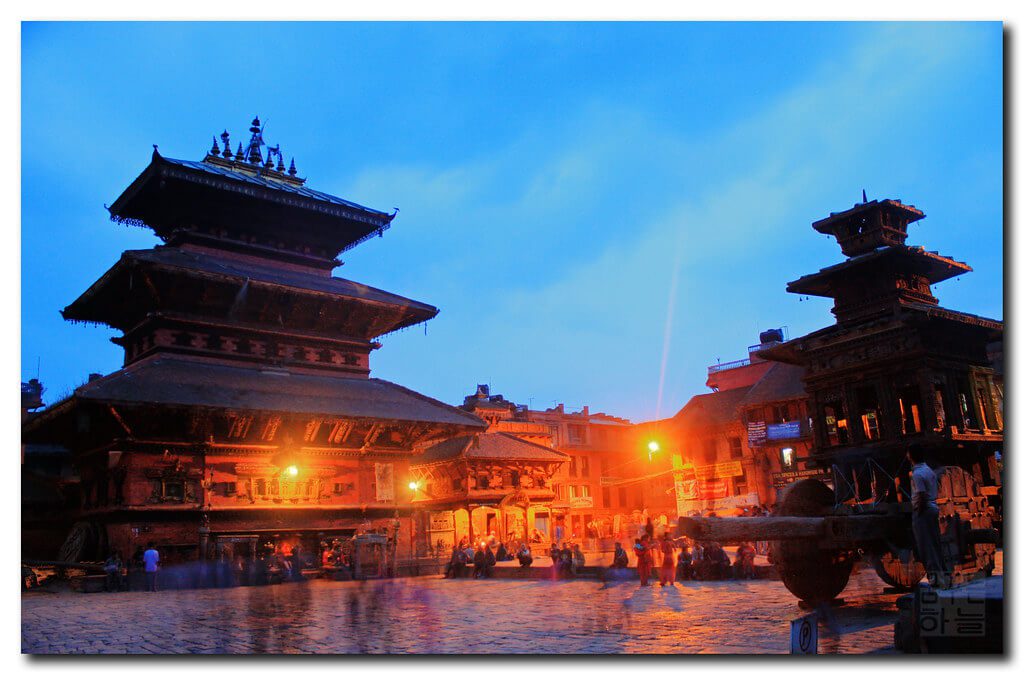
Bhaktapur is a beautifully preserved medieval city that feels like stepping back in time. Located close to Kathmandu, it is known for its traditional architecture and rich cultural heritage. The city is less crowded than the capital, allowing visitors to explore at a more relaxed pace. Its narrow streets, historic squares, and local craftsmanship offer an authentic glimpse into Nepal’s past. Bhaktapur is perfect for those who appreciate history, art, and traditional lifestyles.
Famous for: Well-preserved Durbar Square, Newari architecture, and traditional crafts.
Top things to do: Explore Bhaktapur Durbar Square, visit Nyatapola Temple, watch pottery making at Pottery Square, and try local delicacies.
Best time to visit: October to March for comfortable exploration.
7. Nagarkot
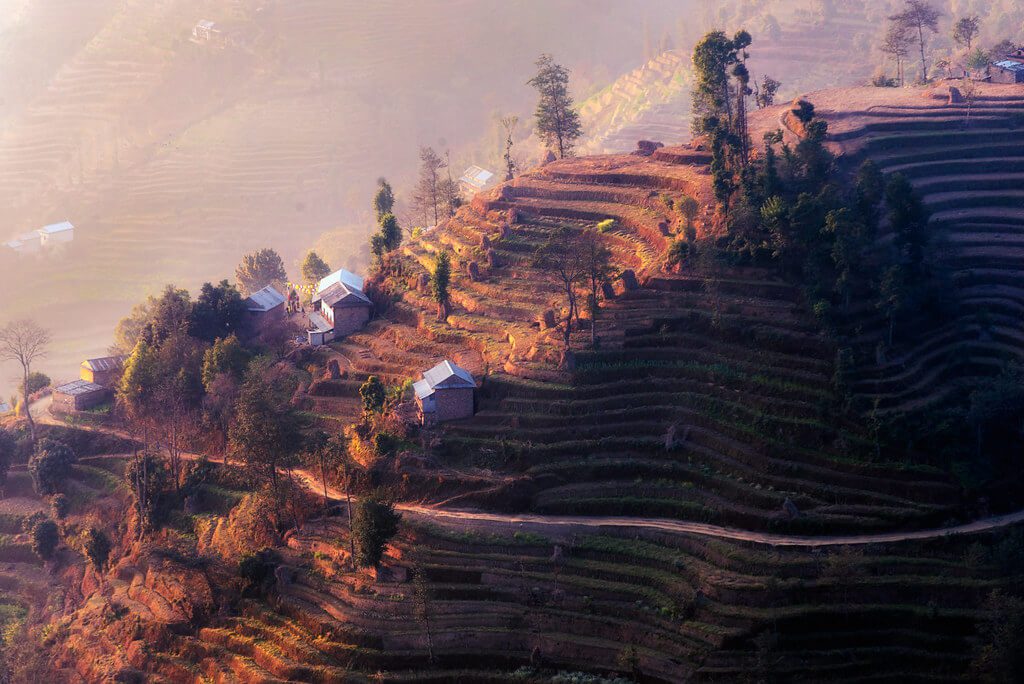
Nagarkot is a quiet hill station located just a short drive from Kathmandu, making it a popular escape from the city. It is best known for its panoramic views of the Himalayas, especially during sunrise and sunset. The peaceful environment, fresh mountain air, and scenic landscapes make it an ideal place to relax and unwind. On clear days, you can even catch distant views of Mount Everest from here. Nagarkot is perfect for travelers looking for a short, refreshing getaway without venturing too far.
Famous for: Stunning sunrise and sunset views over the Himalayas.
Top things to do: Wake up early for sunrise views, enjoy short hikes, relax at scenic viewpoints, and soak in the mountain atmosphere.
Best time to visit: October to April for clear skies and the best visibility.
8. Annapurna Circuit
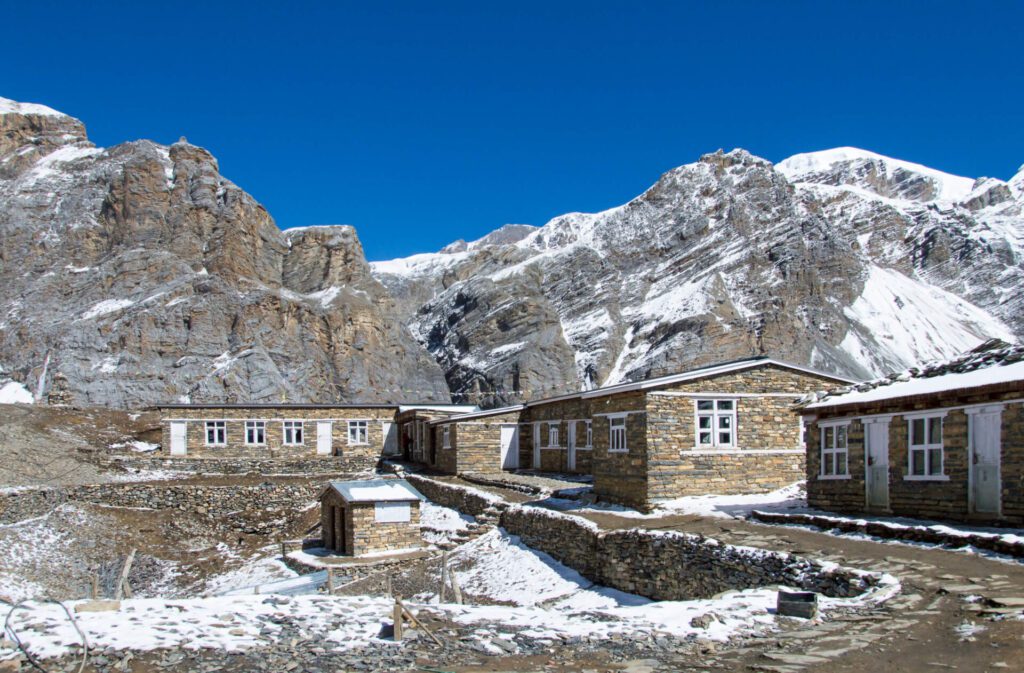
The Annapurna Circuit is one of the most famous trekking routes in the world, offering a diverse and ever-changing landscape. The journey takes you through lush forests, traditional villages, and high-altitude terrains, all set against the backdrop of the Himalayas. It is not just a trek, but a cultural experience where you interact with local communities along the way. The route is well-developed, making it accessible for both experienced trekkers and those with some preparation. Completing the circuit is a rewarding experience that combines adventure and natural beauty.
Famous for: Scenic trekking routes, diverse landscapes, and mountain views.
Top things to do: Trek across Thorong La Pass, explore villages like Manang, enjoy hot springs, and experience local culture.
Best time to visit: March to May and October to November for trekking.
9. Patan
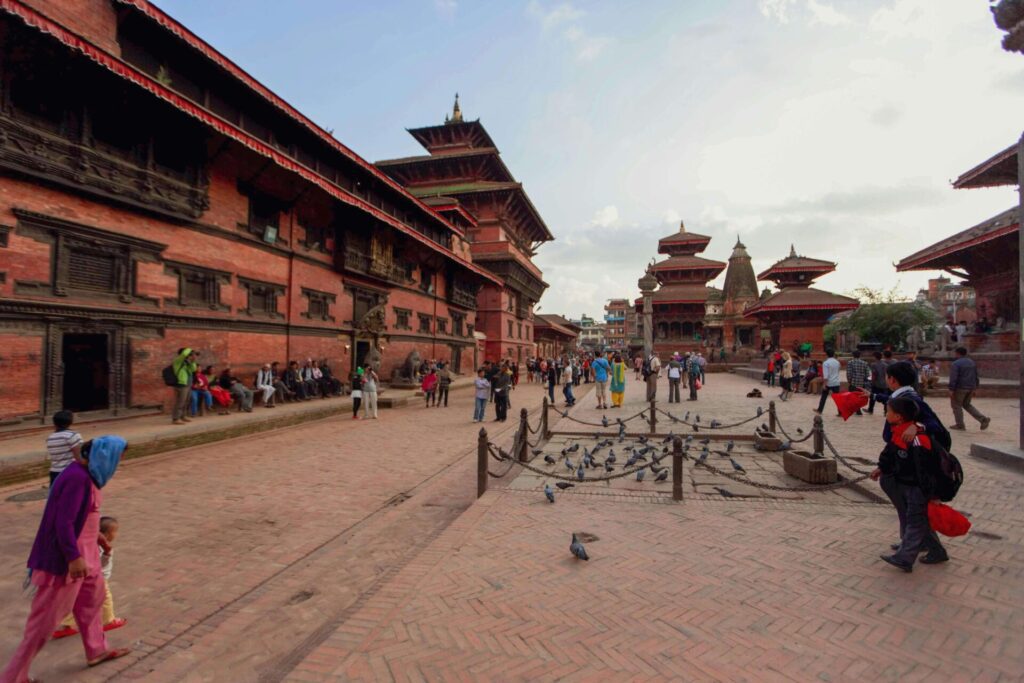
Patan, also known as Lalitpur, is a city that stands out for its artistic heritage and architectural beauty. Located near Kathmandu, it is often quieter but equally rich in culture. The city is filled with intricately carved temples, statues, and courtyards that reflect centuries of craftsmanship. Walking through Patan feels like exploring an open-air museum dedicated to art and history. It is an excellent destination for travelers who appreciate fine details and cultural depth.
Famous for: Patan Durbar Square, traditional art, and intricate temple carvings.
Top things to do: Visit Patan Durbar Square, explore Krishna Mandir, tour the Patan Museum, and walk through historic alleys.
Best time to visit: October to March for comfortable weather.
10. Rara Lake
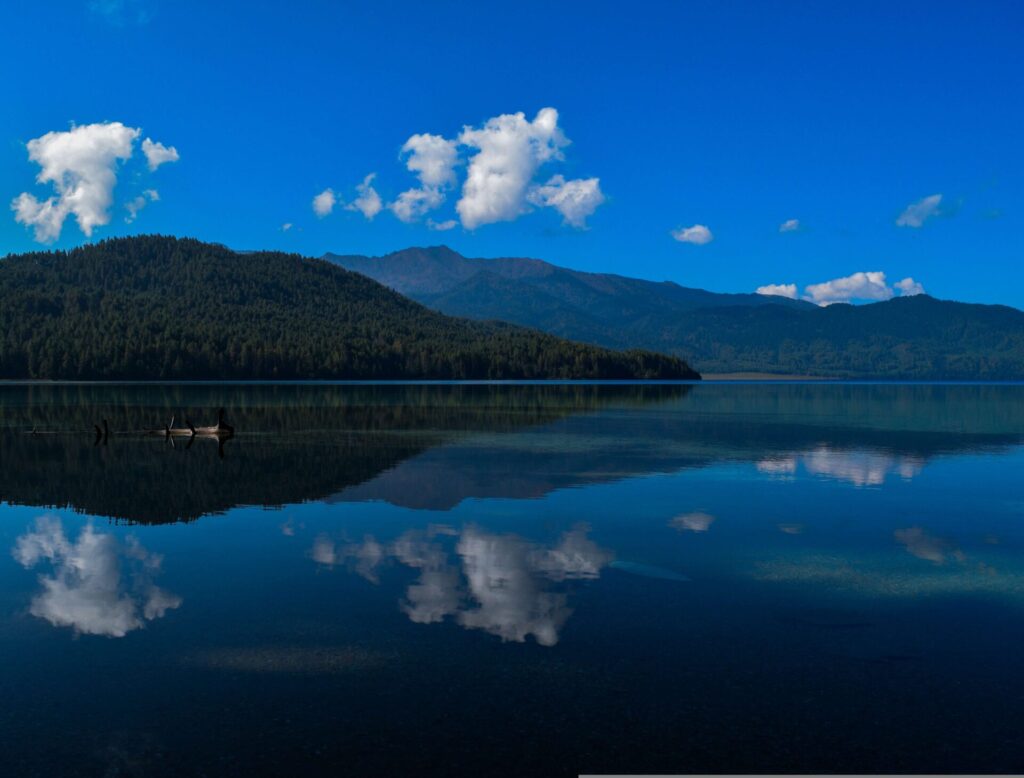
Rara Lake is one of Nepal’s most beautiful yet least explored destinations, offering a truly offbeat experience. Located in a remote region, it is surrounded by forests and mountains, creating a serene and untouched environment. The lake’s deep blue waters and peaceful surroundings make it a perfect escape from crowded tourist spots. Reaching Rara requires effort, but the journey is well worth it for those seeking solitude and natural beauty. It is ideal for travelers who want to experience Nepal beyond the usual routes.
Famous for: Being Nepal’s largest lake and its pristine, untouched beauty.
Top things to do: Walk around the lake, enjoy boating, explore Rara National Park, and soak in the tranquility.
Best time to visit: September to November and April to June for clear weather and accessibility.