
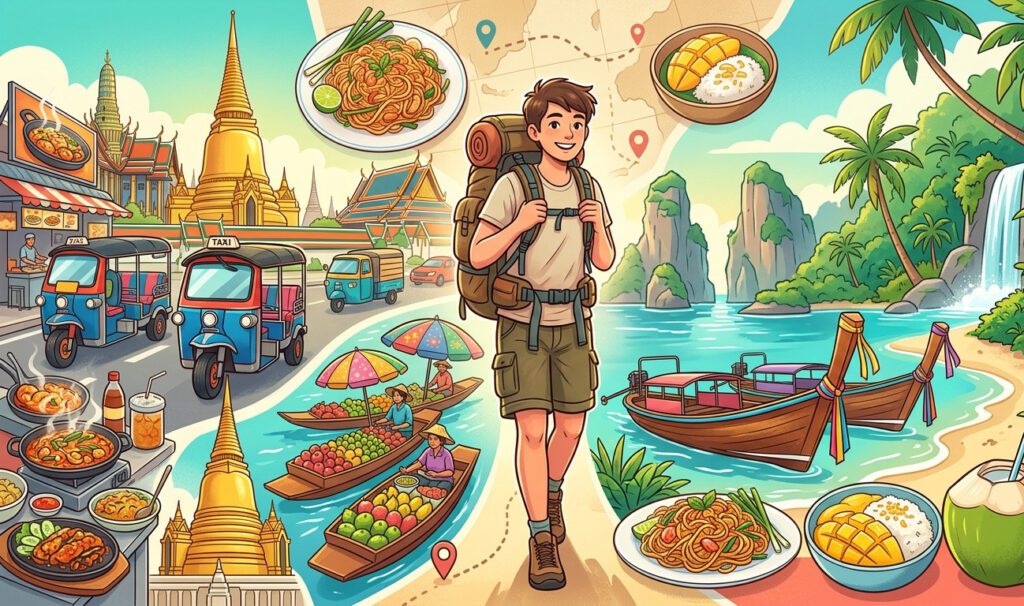
Backpacking across Thailand is often where people discover just how easy and exciting travel can be, especially when your journey moves from the buzzing streets of Bangkok to the relaxed mountains of Chiang Mai and the postcard-perfect beaches of Krabi. What makes Thailand stand out is how effortlessly it blends chaos and calm, culture and nightlife, adventure and comfort, all within a well-connected and budget-friendly setup. This guide will help you navigate Thailand like a backpacker. It covers routes, budgets, tips, and experiences so you can explore the country with confidence and make the most of every day on the road.
Why Thailand is Perfect for Backpackers?
Thailand has earned its reputation as one of the best backpacking destinations in the world because it removes most of the friction that first-time and even seasoned travelers usually face. From the moment you arrive in Bangkok, you’ll notice how easy it is to get around, find affordable places to stay, and connect with other travelers who are on a similar journey. The country is built for movement. It has a well-established network of trains, buses, budget flights, and ferries that make traveling between cities, mountains, and islands surprisingly seamless.
Another reason Thailand stands out is its affordability without compromising on experience. You can eat incredibly well from street food stalls, stay in clean and social hostels, and still have enough budget left for activities like island hopping, temple visits, or even scuba diving.
Thailand Backpacking Route (2–3 Weeks)
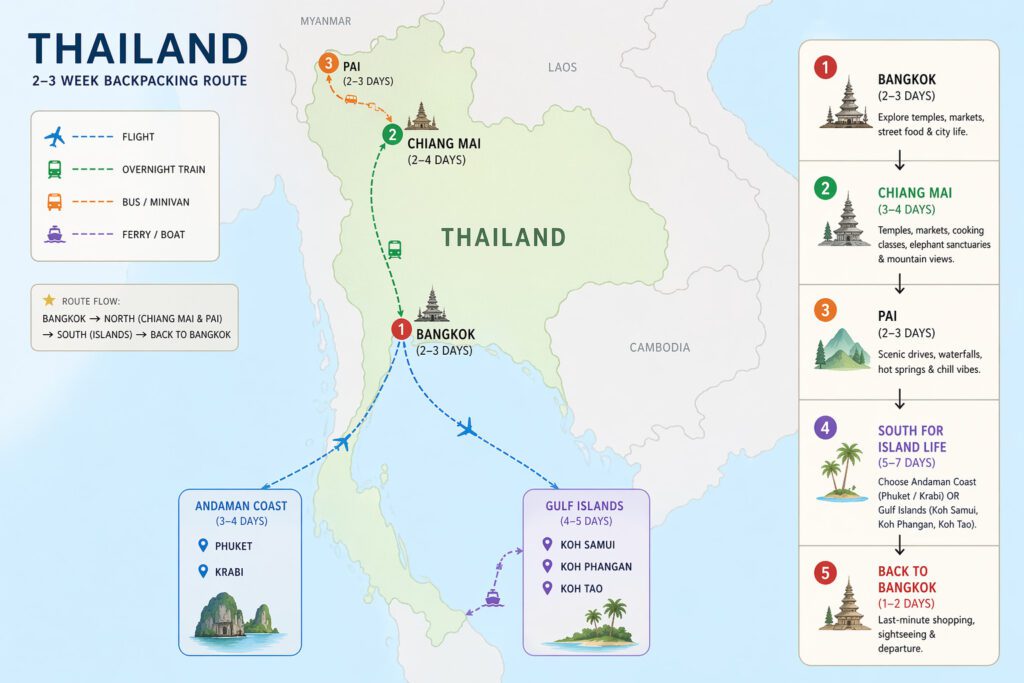
Planning a 2 to 3 week backpacking route across Thailand is all about striking the right balance between variety and pace. You want to experience the country’s energy, culture, mountains, and beaches without constantly feeling rushed. The classic route works well because it follows a natural flow, starting in the city, moving north for a slower vibe, and then heading south for island life before looping back. This structure keeps travel efficient while giving you a well-rounded experience.
Start in Bangkok (2–3 Days)
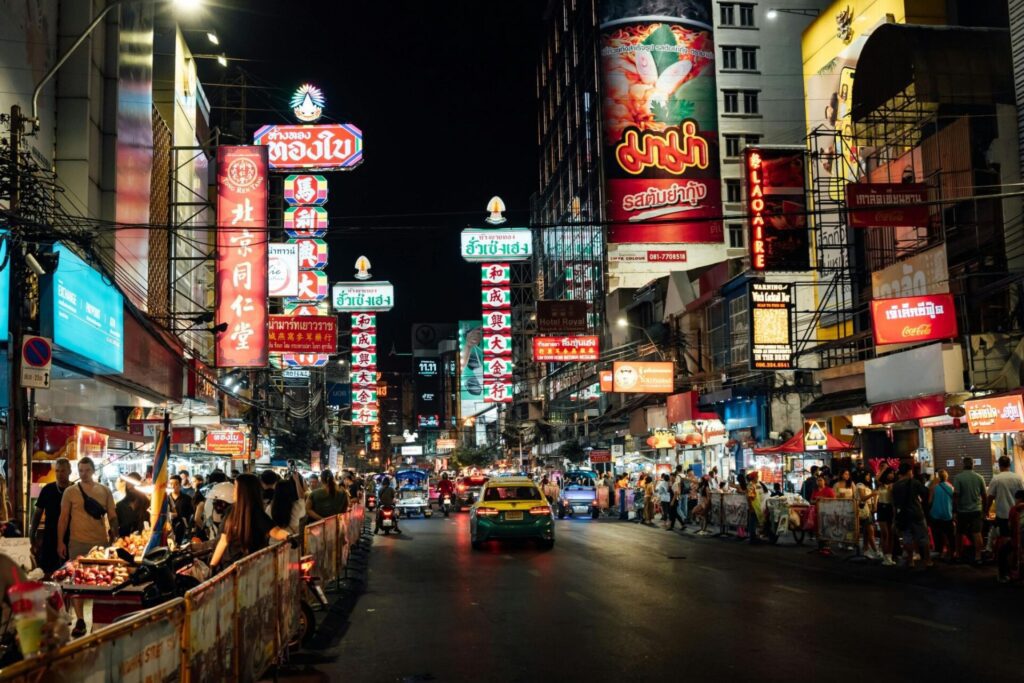
Bangkok is where most backpacking journeys begin, and it’s the perfect introduction to Thailand’s contrast of chaos and charm. Give yourself at least two full days here to adjust, especially if you’re flying in from the US or Europe. The city can feel overwhelming at first, but once you settle in, it becomes incredibly rewarding.
- Spend your time exploring iconic temples like Wat Phra Kaew and Wat Arun
- Walk through bustling markets
- Try as much street food as possible. Areas around Khao San Road are popular with backpackers, not just for nightlife but also because they make it easy to meet fellow travelers.
- During the day, you can explore local neighborhoods, take a river ferry, or visit rooftop cafes that offer a different perspective of the city.
Bangkok also serves as your logistical hub. From here, you’ll find overnight trains, buses, and cheap flights heading to northern Thailand, making it the ideal starting point for your route.
Head North to Chiang Mai (3–4 Days)
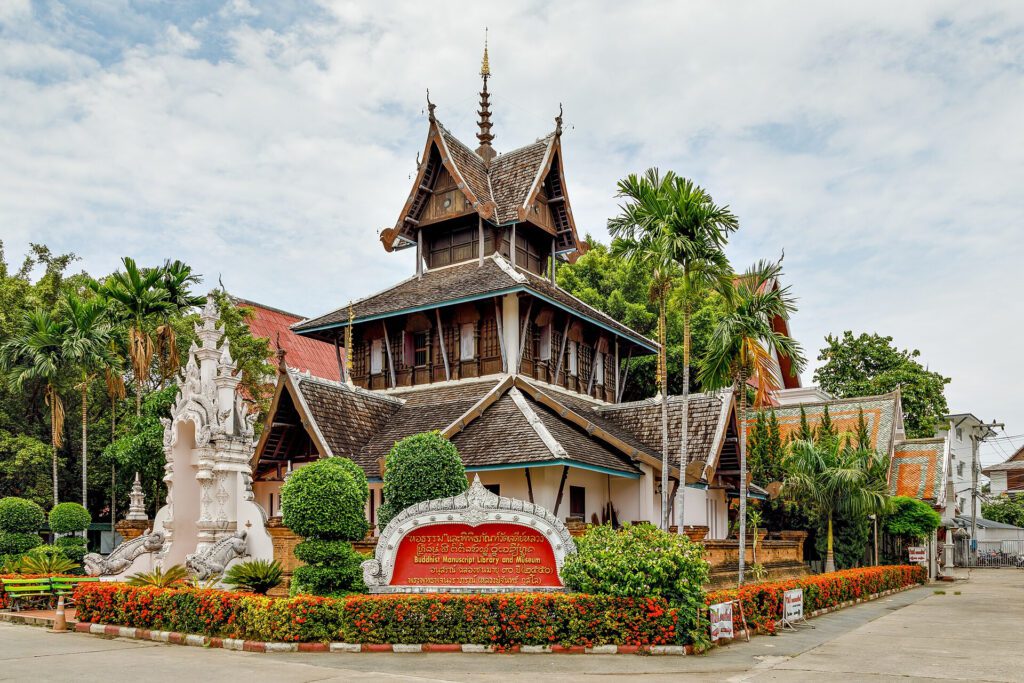
After Bangkok, heading north to Chiang Mai gives you a refreshing change of pace. Surrounded by mountains and known for its relaxed atmosphere, Chiang Mai feels calmer, greener, and more cultural. It’s the kind of place where you slow down without even trying.
- Spend your days exploring ancient temples, visiting local markets
- Take part in experiences like Thai cooking classes or ethical elephant sanctuaries.
- The Old City is a great place to stay, especially for backpackers who want easy access to cafes, co-working spaces, and social hostels.
Chiang Mai is also a great base for day trips into the surrounding hills, where you can experience waterfalls, viewpoints, and smaller villages. Compared to Bangkok, life here feels less rushed, making it a favorite among digital nomads and long-term travelers.
Detour to Pai (2–3 Days)
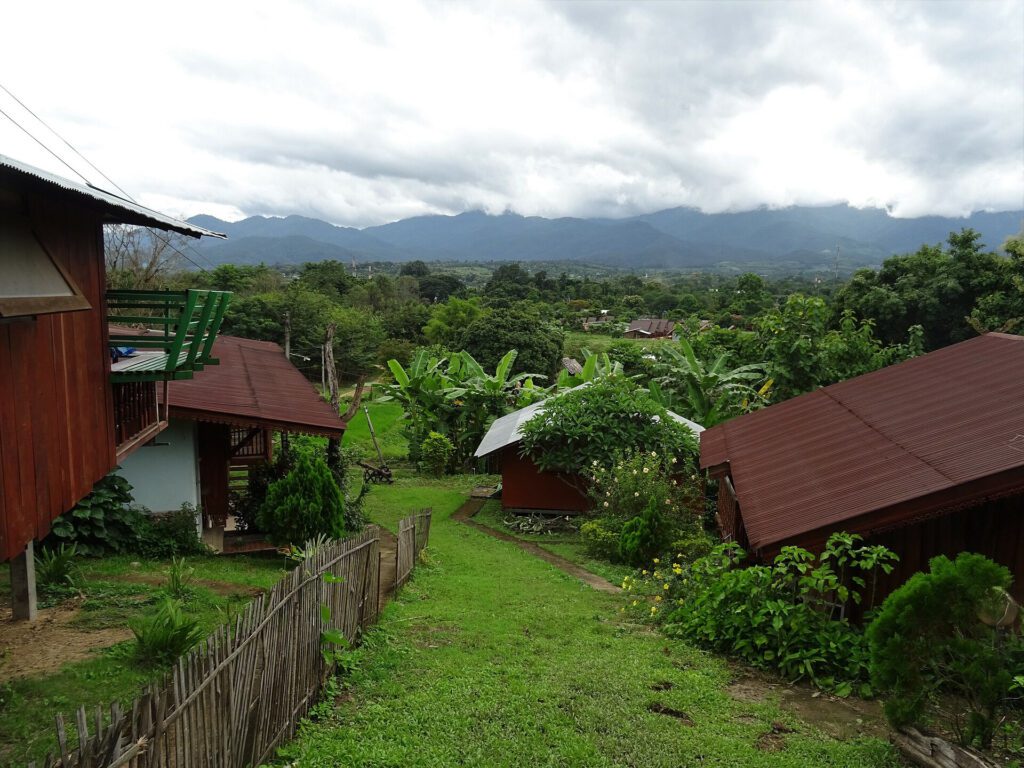
If you have a bit of flexibility in your itinerary, Pai is a must-add stop. Located a few hours from Chiang Mai, this small mountain town has a completely different vibe. Think quiet roads, scenic viewpoints, hot springs, and a strong backpacker community that leans toward slow travel.
The journey to Pai itself is part of the experience, with winding mountain roads and beautiful landscapes along the way. Once you arrive, renting a scooter is the best way to explore. You can visit waterfalls, canyons, and small cafes tucked into the hills, all at your own pace.
Pai is less about ticking off attractions and more about soaking in the atmosphere. Many travelers plan to stay for two days and end up extending their trip, which says a lot about how easy it is to fall into its rhythm.
Travel South for Island Life (5–7 Days)
After exploring northern Thailand, it’s time to head south for the beaches and islands that the country is famous for. You can either take a budget flight from Chiang Mai back to Bangkok and then onward to the islands, or fly directly to southern destinations, depending on your route.
At this stage, you’ll need to choose between two main island regions: the Andaman Coast or the Gulf of Thailand. Both offer incredible experiences, but your choice should depend on the season and what kind of vibe you’re looking for. Let’s explore one by one.
Andaman Coast: Phuket and Krabi (3–4 Days)
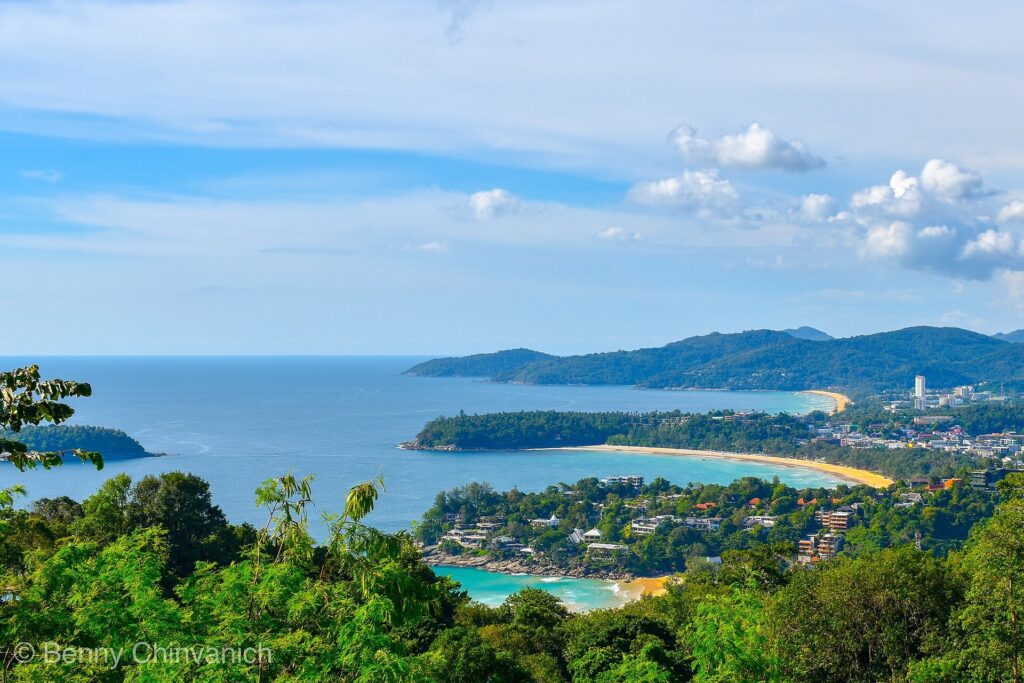
The Andaman side is known for dramatic limestone cliffs, turquoise waters, and some of Thailand’s most iconic scenery.
- Phuket is often the entry point, offering a mix of nightlife, beaches, and easy connectivity. While parts of Phuket can feel commercial, it’s still a convenient base for exploring nearby islands.
- Krabi, on the other hand, tends to feel more laid-back and scenic. From here, you can visit places like Railay Beach or take island-hopping tours to nearby spots such as the Phi Phi Islands.
This region is ideal if you’re looking for a mix of relaxation and adventure, with plenty of opportunities for kayaking, rock climbing, and boat trips.
Gulf Islands: Koh Samui, Koh Phangan, and Koh Tao (4–5 Days)
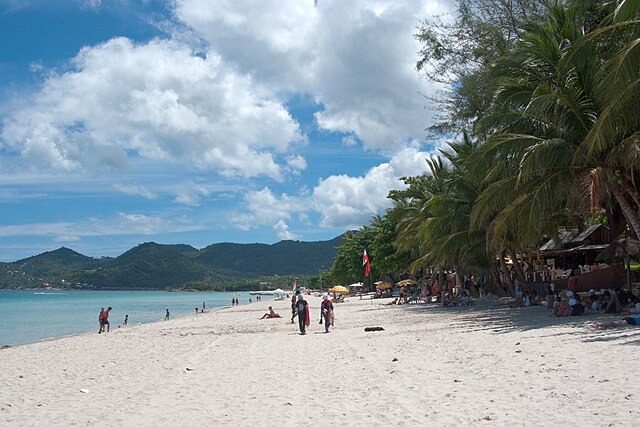
If you’re visiting during a different season or want a slightly different vibe, the Gulf side is a great alternative.
- Koh Samui is the most developed of the three, with good infrastructure and a mix of luxury and budget options.
- Koh Phangan is famous for its Full Moon Party, but there’s much more to the island than nightlife. You’ll find quieter beaches, yoga retreats, and scenic viewpoints if you move away from the party areas.
- Koh Tao is a favorite among backpackers for one main reason: scuba diving. It’s one of the most affordable places in the world to get certified, and even if you’re not diving, the island’s relaxed vibe and clear waters make it worth visiting.
Return to Bangkok (1–2 Days)
As your trip comes to an end, plan your return to Bangkok for at least a day before your flight. This gives you some buffer in case of delays and also a chance to revisit anything you missed at the start of your trip.
You can use this time for last-minute shopping, visiting a few more temples, or simply enjoying your final meals in Thailand. It also helps you transition out of travel mode and prepare for the journey back home.
Budget Breakdown for Backpacking Thailand
One of the biggest advantages of backpacking across Thailand is how flexible your budget can be. Whether you’re traveling ultra-cheap or allowing yourself a bit of comfort, Thailand makes it easy to control your spending without missing out on key experiences. From hostels in Bangkok to beach stays in Krabi, here’s what you can realistically expect when budgeting in USD.
Accommodation (Hostels vs Budget Hotels)
Accommodation in Thailand is affordable and widely available, especially in backpacker hubs like Chiang Mai and Phuket.
- Hostel dorm beds: $5 – $12 per night
- Private hostel rooms: $15 – $30 per night
- Budget hotels/guesthouses: $20 – $45 per night
Prices can rise slightly in island destinations or peak seasons, but overall, Thailand remains one of the best-value countries for accommodation.
Food (Street Food vs Cafes)
Food is where you save the most while still eating incredibly well.
- Street food meals: $1 – $3 per dish
- Local restaurants: $2 – $5 per meal
- Cafes and Western food: $5 – $12 per meal
In places like Bangkok, street food is not just cheap but often better than restaurant meals. Tourist-heavy areas may charge more, but mixing local and cafe dining keeps your costs balanced.
Transport (Buses, Trains, Flights)
Thailand’s transport system is efficient and budget-friendly.
- Local transport (Grab, tuk-tuks): $1 – $5 per ride
- Overnight buses: $10 – $20
- Trains (sleeper class): $15 – $30
- Domestic flights: $25 – $80 (book early)
- Ferries (islands): $7 – $20
For longer routes like Bangkok to Chiang Mai, overnight options help save both time and accommodation costs.
Activities (Island Tours, Entry Fees, Experiences)
Activities can vary depending on your travel style, but Thailand offers great value experiences.
- Temple entry fees: $2 – $8
- Island hopping tours: $20 – $45
- Scuba diving: $35 – $300+ (depending on course)
- Thai massage: $5 – $15
- Cooking classes: $20 – $40
In beach destinations like Krabi, island tours are a highlight, while in the north, cultural experiences dominate.
Daily Budget Estimate for Backpackers
Here’s what you can expect on a daily basis:
- Budget backpacker: $20 – $35 per day
- Mid-range backpacker: $35 – $70 per day
This range depends on how often you take flights, book private rooms, or splurge on activities.
Quick Budget Summary Table for Backpacking in Thailand
| Category | Budget Range (USD) |
| Accommodation | $5 – $45 per night |
| Food | $1 – $12 per meal |
| Transport | $1 – $80 per trip |
| Activities | $2 – $300+ |
| Daily Budget | $20 – $70 per day |
Backpacking Tips for Thailand
Backpacking across Thailand is relatively easy, but a few smart decisions can make your trip smoother, cheaper, and far more enjoyable. From managing money to understanding local culture and packing right, these tips will help you avoid common mistakes and travel more confidently.
Carry Cash vs Cards
Thailand still runs heavily on cash(Bahts), especially when it comes to street food, local markets, small guesthouses, and transport. While bigger hotels, malls, and cafes in places like Bangkok accept cards, you’ll often find that cash is more convenient and sometimes even required.
ATMs are widely available, but they charge a withdrawal fee, so it’s better to withdraw larger amounts at once instead of multiple small transactions. Carry a mix of Bahts and a backup card, and avoid relying entirely on digital payments.
SIM Cards and Internet
Staying connected in Thailand is easy and affordable. You can pick up a tourist SIM card right at the airport or from convenience stores across the country. Providers offer prepaid plans with generous data, which is useful for maps, bookings, and staying in touch. AIS, DTAC, and TrueMove H are the popular providers.
Mobile internet is reliable even in smaller towns like Pai, and most hostels and cafes offer free Wi-Fi. Having a local SIM also makes it easier to use apps like Grab for transport.
Avoiding Scams
Thailand is generally safe, but like any popular tourist destination, there are a few scams to be aware of. Common ones include tuk-tuk drivers offering “special tours,” shops claiming temples are closed, or overpriced transport in tourist-heavy areas.
The simplest rule is to double-check information and avoid deals that sound too good to be true. Use official ticket counters, book transport through trusted platforms, and always confirm prices before agreeing to a ride or service. Staying alert in busy areas like Phuket can save you unnecessary hassle.
Cultural Etiquette (Temples and Dress Code)
Thailand is culturally rich and deeply rooted in tradition, so respecting local customs goes a long way. When visiting temples, dress modestly by covering your shoulders and knees. This applies to both men and women.
Shoes must be removed before entering temples and even some shops or homes. It’s also important to be respectful when interacting with locals, avoid touching someone’s head, and never point your feet at people or religious objects. In places like Chiang Mai, where temples are a major highlight, following these basic etiquette rules is essential.
Best Time to Backpack Thailand
Timing your trip well can significantly impact your experience, especially when it comes to weather and costs.
- Peak Season (November to February): This is the most popular time to visit, thanks to cooler temperatures and minimal rainfall. It’s ideal for both cities and islands, but expect higher prices and larger crowds.
- Shoulder Season (March to May): Temperatures start rising, especially in northern Thailand, but it’s still a good time to travel if you can handle the heat. Fewer crowds and slightly lower prices make it a decent trade-off.
- Monsoon Season (June to October): This period brings rain, but it doesn’t mean constant downpours. Showers are often short and followed by clear skies. The biggest advantage is fewer tourists and lower costs, especially in places like Krabi. However, island travel can sometimes be affected by rough seas.